Welcome to WUXI DAHONG HYDRAULIC PNEUMENT CO.,LTD
WhatsApp: 13665121168 Email: shaominjiao@wxdahong.com


Diagnosis and repair steps for differential hydraulic cylinder faults
Release Time :
2024-07-03
Differential hydraulic cylinder, as an important hydraulic transmission device, plays an important role in industrial automation and mechanical equipment. However, due to the complexity of its working environment and the high frequency of use, various faults are inevitable during the operation of differential hydraulic cylinders. This article will focus on common faults of differential hydraulic cylinders, introducing their diagnostic methods and repair steps.
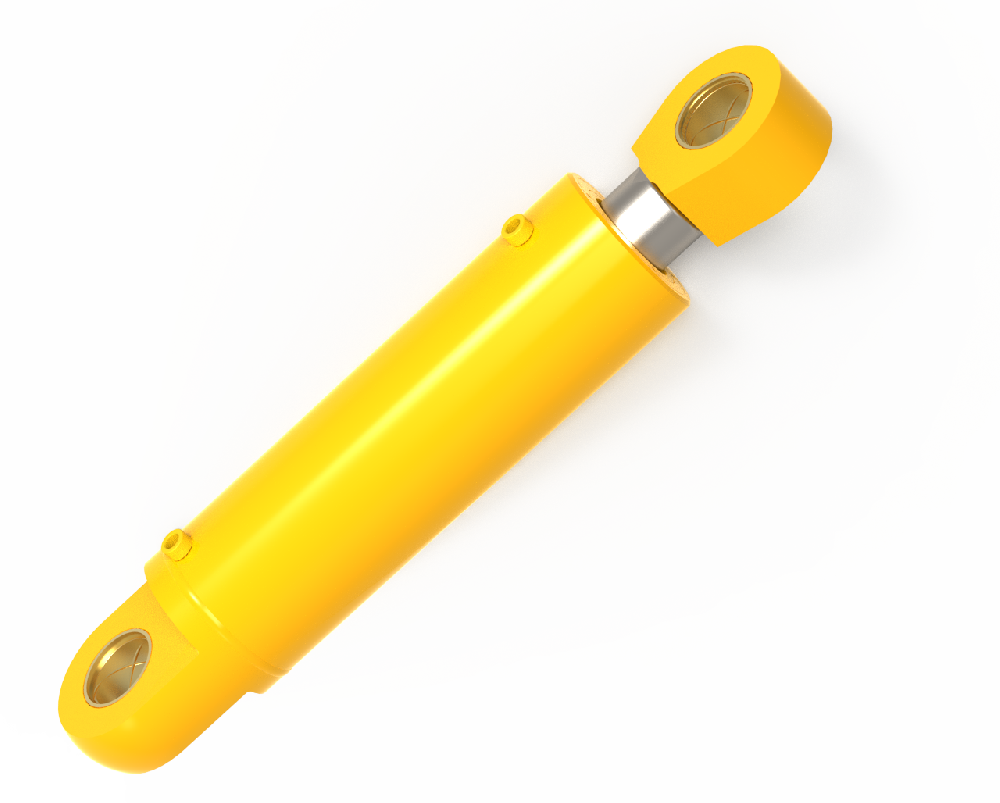
1、 Common faults and diagnostic methods
1. The hydraulic cylinder moves slowly or does not move
The slow or no action of the hydraulic cylinder may be caused by various reasons. Firstly, it is necessary to check whether the inlet and outlet ports of the hydraulic cylinder are blocked, which prevents the smooth flow of oil. Secondly, check if there are any leaks inside the hydraulic cylinder, especially if the seals are aging or damaged. In addition, it is necessary to check whether the hydraulic system has sufficient oil and whether the oil is too viscous, resulting in reduced fluidity.
2. Hydraulic cylinder oil leakage
Hydraulic cylinder oil leakage is one of the common faults, mainly manifested as oil leakage from the cylinder body, piston rod, or seal. For such faults, the first thing to check is whether the seal is intact. If there is any damage, it should be replaced in a timely manner. Secondly, check if the fit gap between the piston rod and the cylinder block is too large, causing oil to leak from the gap. Finally, check if there are cracks or damage to the cylinder block, and if so, repair or replace it in a timely manner.
3. Hydraulic cylinder action is unstable
The unstable operation of hydraulic cylinders may be caused by impurities, bubbles, or system pressure fluctuations in the oil. For such faults, the cleanliness of the oil should be checked first, and if there are impurities, the oil should be replaced in a timely manner. Secondly, check if there are any bubbles in the system, and if so, exhaust should be carried out through the exhaust valve. Finally, check if the system pressure is stable. If there are fluctuations, adjust the pressure control valve or replace damaged valve components.
2、 Repair steps
1. Clean the hydraulic cylinder
Before repairing the hydraulic cylinder, it should be cleaned thoroughly. Use specialized cleaning agents or kerosene to clean the hydraulic cylinder, ensuring that there are no oil stains, impurities, and residues inside. After cleaning, blow dry with compressed air or wipe dry with a clean cloth.
2. Replace the seal
If there is a leakage fault in the hydraulic cylinder, the sealing components should be checked first to ensure they are intact. If there is any damage or aging, the seal should be replaced with a new one in a timely manner. When replacing seals, attention should be paid to selecting appropriate models and materials to ensure their compatibility with hydraulic cylinders and sealing performance.
3. Adjust the gap between the piston rod and the cylinder block
If the slow or no action of the hydraulic cylinder is caused by the excessive gap between the piston rod and the cylinder body, the gap should be adjusted to the appropriate range. The specific adjustment methods include replacing the appropriate piston rod or cylinder body, adjusting the position of the guide sleeve, or replacing the guide sleeve.
4. Repair or replace the cylinder block
If there are serious faults such as cracks or damage in the hydraulic cylinder, it should be repaired or replaced. For minor cracks or damages, welding, polishing, and other methods can be used for repair; For severe malfunctions or irreparable cylinder blocks, a new cylinder block should be replaced.
5. Debugging the hydraulic system
After repairing the hydraulic cylinder, the entire hydraulic system should be debugged. Check if the pressure, flow rate, and temperature parameters in the system are normal; Check whether the action of the hydraulic cylinder is stable, accurate, and reliable; Check for leaks and abnormal noise in the system. If there are abnormalities, they should be adjusted and handled in a timely manner.
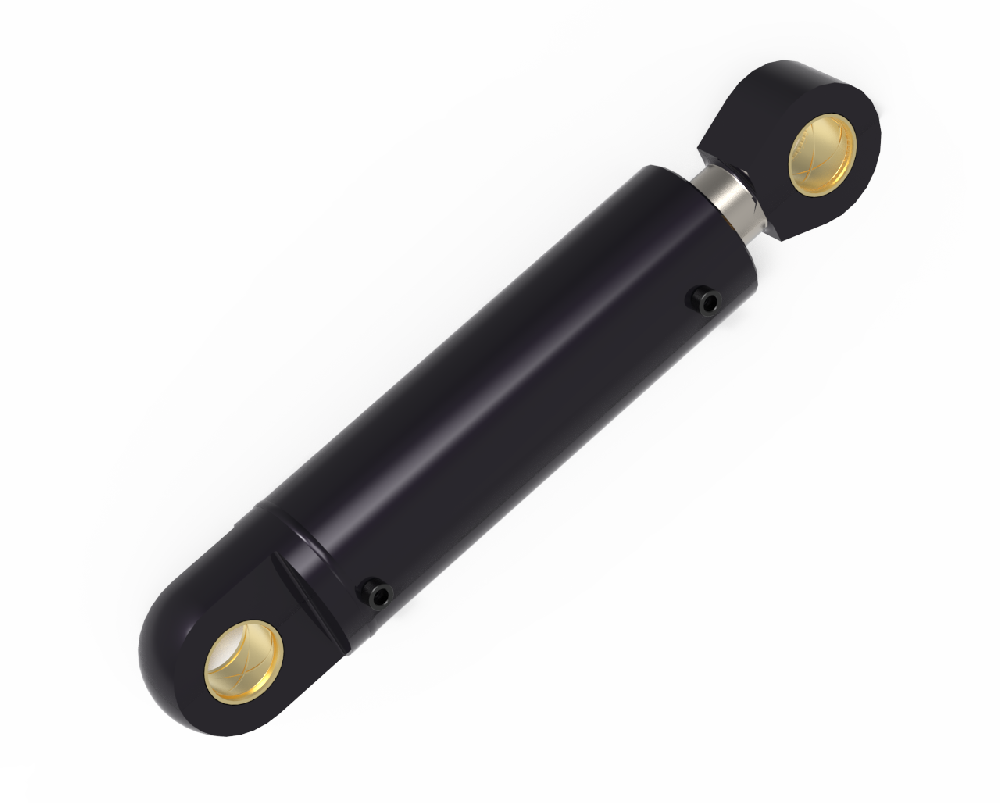
In summary, the fault diagnosis and repair of differential hydraulic cylinders require comprehensive consideration of various factors, including the structure of the hydraulic cylinder itself, the working status of the hydraulic system, and the usage environment and conditions. By using scientific diagnostic methods and reasonable repair steps, the normal operation and extended service life of differential hydraulic cylinders can be ensured.
RELATED NEWS
2026-03-17
How Do Hydraulic Cylinders Improve Safety in Railway Equipment Operations?
Hydraulic cylinders play a crucial role in enhancing safety in railway equipment operations. These devices convert hydraulic energy into linear mechanical force, enabling precise and reliable movement of heavy railway machinery, such as tra···
2026-03-17
How to Maintain Hydraulic Cylinders for Railway Equipment?
Hydraulic cylinders are critical components in railway equipment, enabling smooth movement and heavy lifting in applications such as track maintenance machines, train doors, and suspension systems. Proper maintenance ensures safety, extends···
2026-03-10
Why Is Precision Critical for the Hydraulic Cylinder of Drilling Jumbo?
Precision is critical for the hydraulic cylinder of a drilling jumbo because it directly affects the machine’s efficiency, safety, and operational lifespan. A drilling jumbo relies on hydraulic cylinders to control the movement of its boom···
2026-03-10
What Causes Leakage in the Hydraulic Cylinder of Drilling Jumbo?
Hydraulic cylinders are critical components in drilling jumbos, providing the force needed for drilling operations in tunnels and mines. However, hydraulic cylinder leakage is a common problem that can reduce efficiency, increase maintenanc···
2026-03-03
How Is Technology Improving Standard Welded High-Pressure Hydraulic Cylinder Performance?
Standard welded high-pressure hydraulic cylinders are essential components in heavy machinery, construction equipment, and industrial automation. Recent technological advancements are significantly enhancing their performance, reliability, ···
2026-03-03
How Durable Is a Standard Welded High-Pressure Hydraulic Cylinder?
A standard welded high-pressure hydraulic cylinder is a critical component in many industrial and mobile applications, providing linear force and motion under demanding conditions. The durability of these cylinders depends on several factor···

GET YOUR FREE QUOTE
We will contact you within 24 hours. ( WhatsApp/facebook:13665121168)