Welcome to WUXI DAHONG HYDRAULIC PNEUMENT CO.,LTD
WhatsApp: 13665121168 Email: shaominjiao@wxdahong.com


How to determine whether the compensation oil cylinder is damaged
Release Time :
2024-09-09
Compensation oil cylinder is an indispensable part of many mechanical equipment, mainly used to balance, support or adjust the load in the system, ensuring the smooth operation of the equipment. However, with the passage of time and changes in the usage environment, compensation cylinders may experience damage or performance degradation. This article will explore how to determine whether the compensation oil cylinder is damaged, in order to take corresponding maintenance measures in a timely manner.
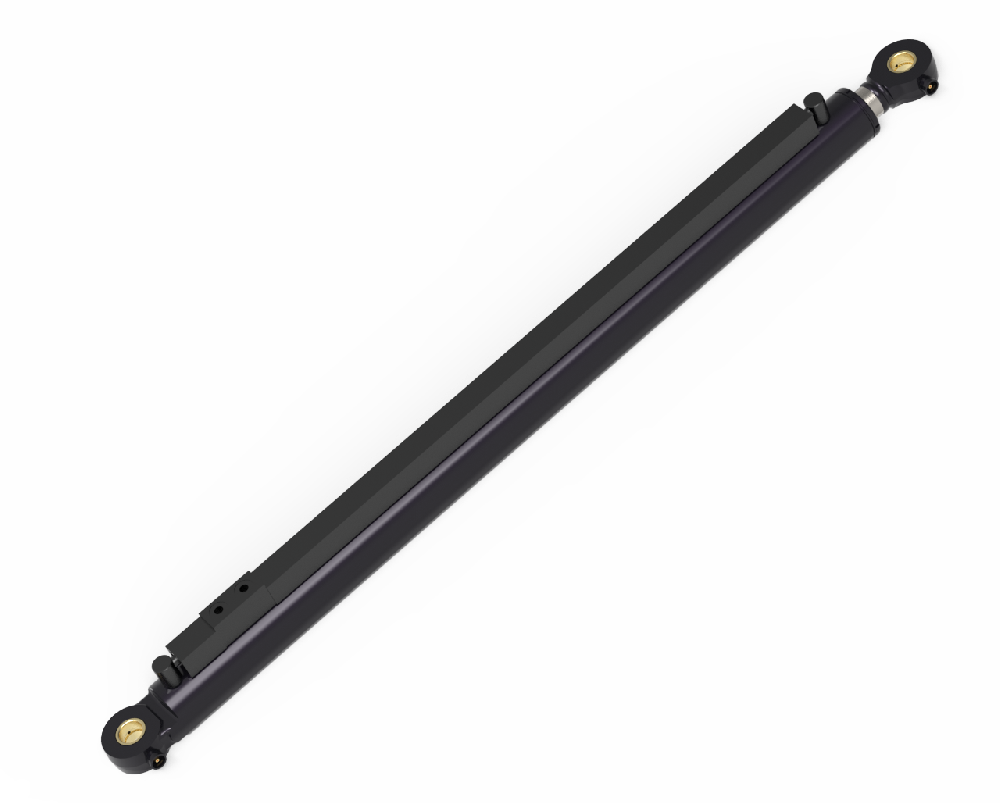
1、 Observe appearance and physical condition
Firstly, we can preliminarily determine whether the compensating oil cylinder is damaged by observing its appearance and physical condition. Damaged oil cylinders may show the following signs:
There are obvious scratches, dents, or rust on the surface of the oil cylinder, which may be caused by external impact or corrosion.
The seals of the oil cylinder (such as piston rod seals, end cap seals, etc.) may age, crack or deform, which may lead to hydraulic oil leakage.
The piston rod of the oil cylinder is bent or deformed, which may affect the movement trajectory and accuracy of the oil cylinder.
2、 Check the motion performance of the oil cylinder
In addition to observing the appearance, we can also determine whether the oil cylinder is damaged by checking its movement performance. Here are some possible inspection methods:
Try manually or using tools to push the piston rod of the oil cylinder and observe if its movement is smooth. If the movement is obstructed or there is jamming, it may be due to impurities, rust, or damaged components inside the cylinder.
Check if the stroke of the oil cylinder meets the design requirements. If the stroke is shortened or extended, it may be caused by damage or wear of the internal seals of the cylinder.
Check the response speed of the oil cylinder. If the cylinder responds slowly or fails to respond after receiving instructions, it may be due to leakage or blockage inside the cylinder.
3、 Testing the performance of hydraulic systems
The compensating oil cylinder is a part of the hydraulic system, so the performance of the hydraulic system can also reflect the state of the compensating oil cylinder. Here are some methods to test the performance of hydraulic systems:
Check the pressure of the hydraulic system. If the system pressure is unstable or below the normal range, it may be due to internal cylinder leakage or other system malfunctions.
Check the cleanliness of the hydraulic oil. If there are impurities or pollutants in the hydraulic oil, it may cause wear and damage to the internal components of the cylinder.
Monitor the hydraulic system for any abnormal noise during operation. Abnormal noise may be caused by damage to internal components of the oil cylinder or other system malfunctions.
4、 Consider usage time and work environment
In addition to the above methods, we also need to consider the usage time and working environment of the compensating oil cylinder. Long term use and harsh working environment may cause wear and damage to the oil cylinder. Therefore, we can evaluate the possibility of damage to the oil cylinder based on its usage history and working environment.
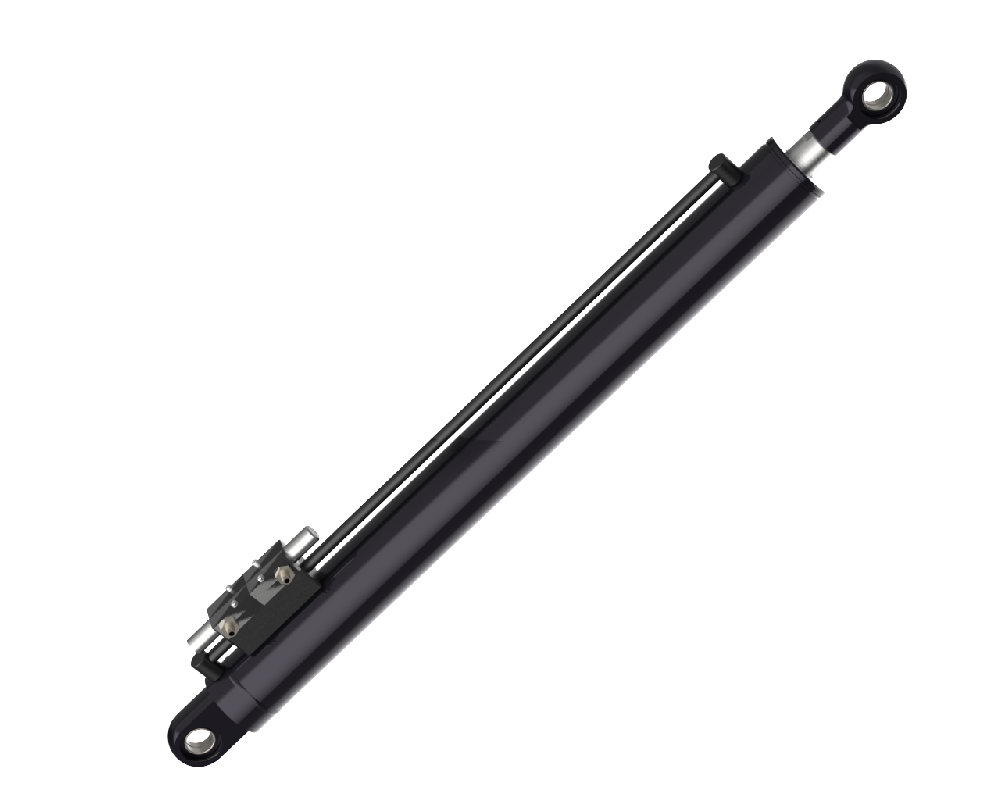
5、 Summary
In summary, determining whether the compensation oil cylinder is damaged requires comprehensive consideration of its appearance, physical condition, motion performance, hydraulic system performance, as well as usage time and working environment. In case of possible damage to the oil cylinder, corresponding maintenance measures should be taken in a timely manner to ensure the normal operation and production safety of the equipment. At the same time, regular inspection and maintenance of the oil cylinder is also an important measure to prevent damage.
RELATED NEWS
2026-03-31
Why Is Predictive Maintenance Gaining Traction for Hydraulic Systems?
Predictive maintenance is rapidly gaining traction in the management of hydraulic systems due to its ability to reduce unplanned downtime, extend equipment life, and optimize operational efficiency. Hydraulic systems, which rely on pressuri···
2026-03-31
How to Improve the Efficiency of a Hydraulic System?
Improving the efficiency of a hydraulic system is essential for reducing energy consumption, lowering operational costs, and extending the lifespan of equipment. Hydraulic systems are widely used in industries like manufacturing, constructi···
2026-03-24
Why Is Heat Resistance Critical in Metallurgical Electric Furnace Hydraulic Cylinders?
Heat resistance is a critical property for hydraulic cylinders used in metallurgical electric furnaces. These cylinders are key components in controlling furnace doors, tilting mechanisms, and other heavy operations, often operating in envi···
2026-03-24
How Does a Metallurgical Electric Furnace Hydraulic Cylinder Handle High Heat?
In metallurgical processes, electric furnaces operate at extremely high temperatures, often exceeding 1,500°C. Hydraulic cylinders used in these furnaces play a critical role in controlling doors, tilting mechanisms, or other moving parts,···
2026-03-17
How Do Hydraulic Cylinders Improve Safety in Railway Equipment Operations?
Hydraulic cylinders play a crucial role in enhancing safety in railway equipment operations. These devices convert hydraulic energy into linear mechanical force, enabling precise and reliable movement of heavy railway machinery, such as tra···
2026-03-17
How to Maintain Hydraulic Cylinders for Railway Equipment?
Hydraulic cylinders are critical components in railway equipment, enabling smooth movement and heavy lifting in applications such as track maintenance machines, train doors, and suspension systems. Proper maintenance ensures safety, extends···

GET YOUR FREE QUOTE
We will contact you within 24 hours. ( WhatsApp/facebook:13665121168)