Welcome to WUXI DAHONG HYDRAULIC PNEUMENT CO.,LTD
WhatsApp: 13665121168 Email: shaominjiao@wxdahong.com


How to Improve the Efficiency of a Hydraulic System?
Release Time :
2026-03-31
Improving the efficiency of a hydraulic system is essential for reducing energy consumption, lowering operational costs, and extending the lifespan of equipment. Hydraulic systems are widely used in industries like manufacturing, construction, and aerospace, and even small inefficiencies can lead to significant energy losses. Here are some practical strategies to enhance hydraulic system performance.
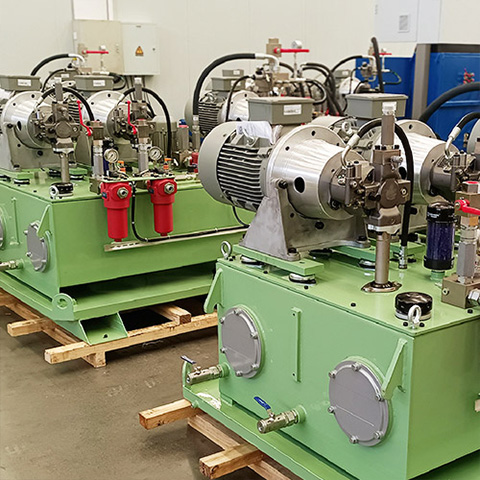
First, selecting the right components is critical. Using high-efficiency pumps and motors tailored to the system’s load requirements ensures minimal energy loss. Variable displacement pumps, for example, adjust flow according to demand, reducing unnecessary energy consumption compared to fixed displacement pumps. Similarly, choosing valves with low pressure drop can prevent energy waste caused by excessive resistance.
Maintaining proper fluid management is another key factor. Using clean, high-quality hydraulic fluid with the correct viscosity reduces friction and wear within the system. Regularly checking and replacing filters, monitoring fluid levels, and preventing contamination will improve overall efficiency. Contaminated fluid can increase internal leakage and reduce the performance of cylinders and motors.
System design optimization also plays a significant role. Minimizing the length of hoses and pipes, avoiding sharp bends, and using larger diameter lines where appropriate reduces pressure losses. Proper heat management is essential as well. Hydraulic fluid viscosity changes with temperature, affecting efficiency. Installing efficient cooling systems or using fluids with a wider operating temperature range can stabilize performance.
Regular maintenance and monitoring are equally important. Implementing predictive maintenance tools, such as pressure sensors and flow meters, allows operators to detect leaks or inefficiencies early. Even small leaks can significantly reduce system efficiency and increase energy costs over time.
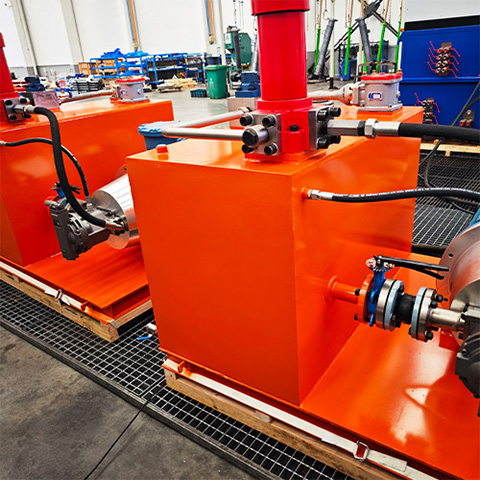
In conclusion, improving hydraulic system efficiency requires a combination of proper component selection, fluid management, optimized design, and proactive maintenance. By addressing these areas, industries can achieve better performance, lower operational costs, and a longer equipment lifespan.
RELATED NEWS
2026-03-31
Why Is Predictive Maintenance Gaining Traction for Hydraulic Systems?
Predictive maintenance is rapidly gaining traction in the management of hydraulic systems due to its ability to reduce unplanned downtime, extend equipment life, and optimize operational efficiency. Hydraulic systems, which rely on pressuri···
2026-03-31
How to Improve the Efficiency of a Hydraulic System?
Improving the efficiency of a hydraulic system is essential for reducing energy consumption, lowering operational costs, and extending the lifespan of equipment. Hydraulic systems are widely used in industries like manufacturing, constructi···
2026-03-24
Why Is Heat Resistance Critical in Metallurgical Electric Furnace Hydraulic Cylinders?
Heat resistance is a critical property for hydraulic cylinders used in metallurgical electric furnaces. These cylinders are key components in controlling furnace doors, tilting mechanisms, and other heavy operations, often operating in envi···
2026-03-24
How Does a Metallurgical Electric Furnace Hydraulic Cylinder Handle High Heat?
In metallurgical processes, electric furnaces operate at extremely high temperatures, often exceeding 1,500°C. Hydraulic cylinders used in these furnaces play a critical role in controlling doors, tilting mechanisms, or other moving parts,···
2026-03-17
How Do Hydraulic Cylinders Improve Safety in Railway Equipment Operations?
Hydraulic cylinders play a crucial role in enhancing safety in railway equipment operations. These devices convert hydraulic energy into linear mechanical force, enabling precise and reliable movement of heavy railway machinery, such as tra···
2026-03-17
How to Maintain Hydraulic Cylinders for Railway Equipment?
Hydraulic cylinders are critical components in railway equipment, enabling smooth movement and heavy lifting in applications such as track maintenance machines, train doors, and suspension systems. Proper maintenance ensures safety, extends···

GET YOUR FREE QUOTE
We will contact you within 24 hours. ( WhatsApp/facebook:13665121168)