Welcome to WUXI DAHONG HYDRAULIC PNEUMENT CO.,LTD
WhatsApp: 13665121168 Email: shaominjiao@wxdahong.com


Design and implementation of customized vertical hydraulic cylinders
Release Time :
2024-07-03
With the continuous progress of industrial technology and the diversified demands of the market, more and more mechanical equipment needs to use specially designed hydraulic cylinders to meet their unique operating requirements. As a common hydraulic actuator, the customized design of vertical hydraulic cylinders has become particularly important. This article will explore the design and implementation process of customized vertical hydraulic cylinders.
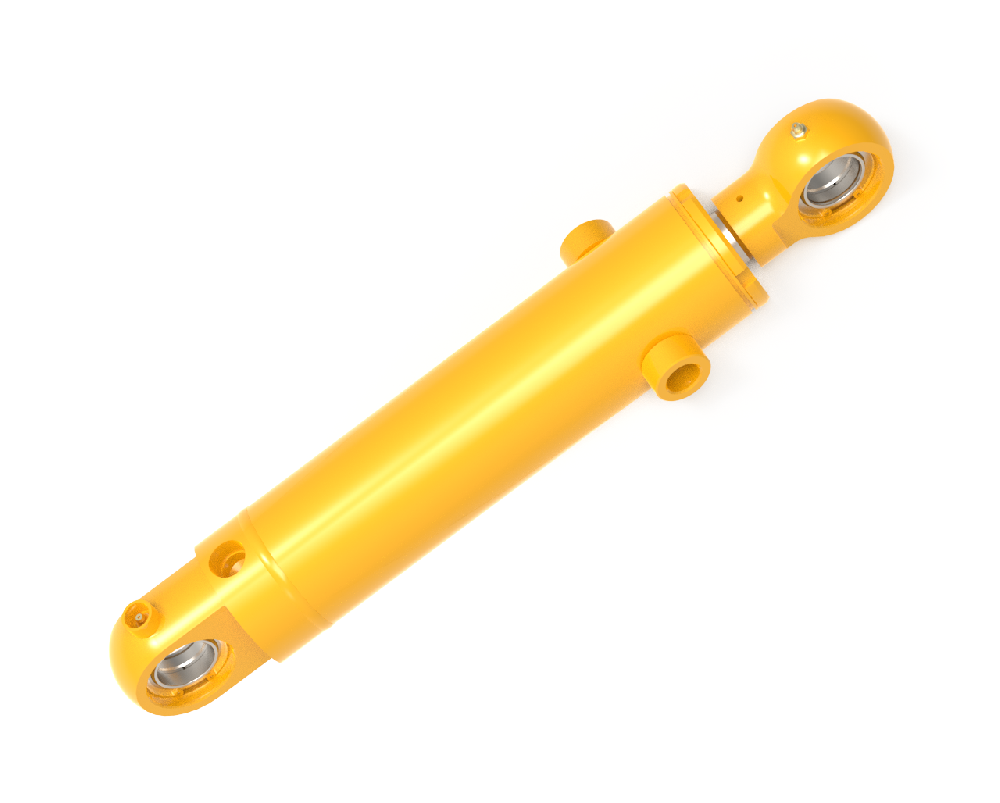
1、 The necessity of customized design
The design of customized vertical hydraulic cylinders is based on the specific working environment and operational requirements of mechanical equipment. Compared with standard hydraulic cylinders, customized cylinders can more accurately meet the performance requirements of equipment, improve the operational efficiency and stability of the equipment. At the same time, customized design can also take into account factors such as installation space, workload, and operating frequency of the equipment, ensuring a perfect match between the oil cylinder and the equipment.
2、 Steps for Customized Design
Requirement analysis: Firstly, it is necessary to have a detailed understanding of the working environment and operational requirements of the mechanical equipment, including load size, movement speed, stroke length, installation space, etc. At the same time, it is necessary to consider factors such as the maintenance cycle and service life of the equipment to ensure that the oil cylinder can meet the long-term stable operation of the equipment.
Structural design: Based on the results of requirement analysis, design the structure of the oil cylinder. This includes determining the basic parameters of the cylinder diameter, rod diameter, stroke length, etc., as well as selecting appropriate seals, guide components, and other accessories. In the process of structural design, it is necessary to fully consider the bearing capacity and stability of the oil cylinder to ensure that it can withstand various forces and moments generated during equipment operation.
Material selection: Select suitable materials based on the working environment and operating requirements of the oil cylinder. For example, for oil cylinders in high temperature and high pressure environments, it is necessary to choose materials that are resistant to high temperature and high pressure; For corrosive media, it is necessary to choose corrosion-resistant materials. At the same time, factors such as material processability and cost need to be considered.
Process design: Based on the structural design and material selection of the oil cylinder, carry out process design. This includes determining parameters such as processing flow, processing methods, and processing accuracy, as well as developing detailed processing drawings and process documents. In the process of process design, it is necessary to fully consider the performance and processing capacity of the processing equipment to ensure the processing quality of the oil cylinder.
Simulation analysis: Using computer simulation technology to analyze the performance of oil cylinders. By simulating the operation of oil cylinders under different working conditions, performance indicators such as load-bearing capacity, stability, and leakage are predicted, providing a basis for the optimization design of oil cylinders.
3、 Implementation of customized oil cylinders
Processing and manufacturing: According to the requirements of process design, the oil cylinder is processed and manufactured. During the machining process, it is necessary to strictly control the machining accuracy and quality to ensure that the various performance indicators of the oil cylinder meet the design requirements.
Assembly and debugging: Assemble and debug the processed oil cylinder. During the assembly process, it is necessary to ensure that the assembly accuracy and clearance of each component meet the design requirements; During the debugging process, it is necessary to conduct performance testing on the oil cylinder to ensure that it can meet the operational requirements of the equipment.
On site installation: Install the debugged oil cylinder onto the mechanical equipment and conduct on-site debugging. During the on-site debugging process, it is necessary to ensure that the connection between the oil cylinder and the equipment is firm and reliable. At the same time, real-time monitoring and adjustment of the operation of the oil cylinder are also necessary to ensure its stable operation and meet the performance requirements of the equipment.
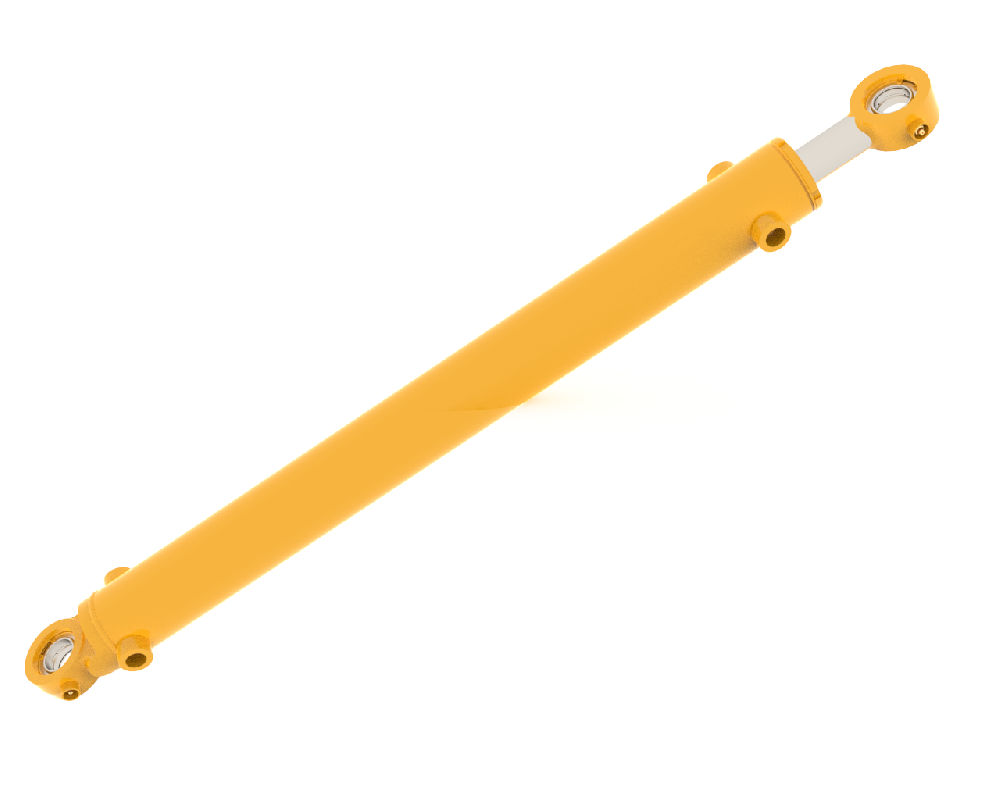
4、 Summary and Outlook
The design and implementation of customized vertical hydraulic cylinders is a complex and meticulous process that requires full consideration of the operational requirements of mechanical equipment and the performance characteristics of the cylinders. Through customized design, it is possible to ensure a perfect match between the oil cylinder and the equipment, improving the operational efficiency and stability of the equipment. In the future, with the continuous development of industrial technology and changes in market demand, the design and implementation of customized vertical hydraulic cylinders will face more challenges and opportunities. We look forward to more innovative technologies and solutions being applied to the customized design of oil cylinders, making greater contributions to the development of the industrial field.
RELATED NEWS
2026-03-31
Why Is Predictive Maintenance Gaining Traction for Hydraulic Systems?
Predictive maintenance is rapidly gaining traction in the management of hydraulic systems due to its ability to reduce unplanned downtime, extend equipment life, and optimize operational efficiency. Hydraulic systems, which rely on pressuri···
2026-03-31
How to Improve the Efficiency of a Hydraulic System?
Improving the efficiency of a hydraulic system is essential for reducing energy consumption, lowering operational costs, and extending the lifespan of equipment. Hydraulic systems are widely used in industries like manufacturing, constructi···
2026-03-24
Why Is Heat Resistance Critical in Metallurgical Electric Furnace Hydraulic Cylinders?
Heat resistance is a critical property for hydraulic cylinders used in metallurgical electric furnaces. These cylinders are key components in controlling furnace doors, tilting mechanisms, and other heavy operations, often operating in envi···
2026-03-24
How Does a Metallurgical Electric Furnace Hydraulic Cylinder Handle High Heat?
In metallurgical processes, electric furnaces operate at extremely high temperatures, often exceeding 1,500°C. Hydraulic cylinders used in these furnaces play a critical role in controlling doors, tilting mechanisms, or other moving parts,···
2026-03-17
How Do Hydraulic Cylinders Improve Safety in Railway Equipment Operations?
Hydraulic cylinders play a crucial role in enhancing safety in railway equipment operations. These devices convert hydraulic energy into linear mechanical force, enabling precise and reliable movement of heavy railway machinery, such as tra···
2026-03-17
How to Maintain Hydraulic Cylinders for Railway Equipment?
Hydraulic cylinders are critical components in railway equipment, enabling smooth movement and heavy lifting in applications such as track maintenance machines, train doors, and suspension systems. Proper maintenance ensures safety, extends···

GET YOUR FREE QUOTE
We will contact you within 24 hours. ( WhatsApp/facebook:13665121168)