Welcome to WUXI DAHONG HYDRAULIC PNEUMENT CO.,LTD
WhatsApp: 13665121168 Email: shaominjiao@wxdahong.com


Hook machine boom oil cylinder: structural analysis and working principle
Release Time :
2024-08-28
In the field of construction machinery, excavator is an important equipment widely used in various earthworks. Among them, the boom oil cylinder of the hook machine, as a key part of the hook machine working device, plays a crucial role in achieving its excavation and handling functions. This article will provide a detailed analysis of the structure and working principle of the hook arm oil cylinder.
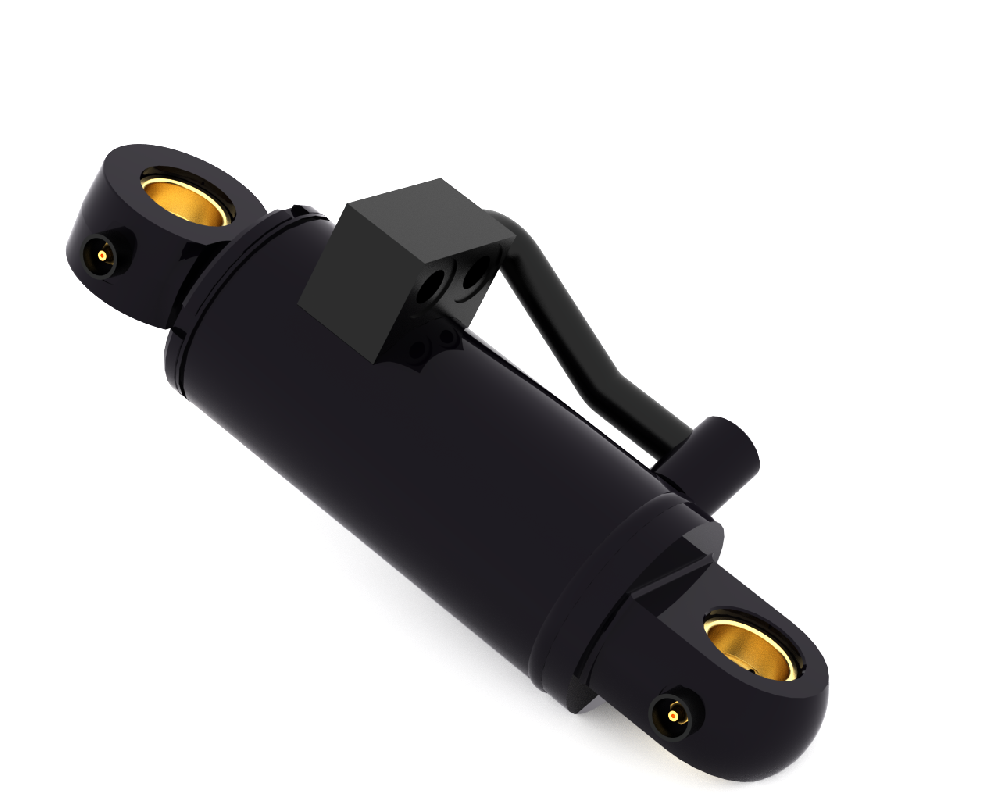
1、 Structural Analysis
The hook machine boom oil cylinder is mainly composed of cylinder body, piston, piston rod, sealing parts, and other parts.
Cylinder body: The cylinder body is the main part of the oil cylinder, usually made of high-strength alloy steel material to ensure its ability to withstand high pressure. There is a smooth inner wall inside the cylinder block to reduce the frictional resistance during piston movement.
Pistons: The piston is a key component of the oil cylinder, located inside the cylinder and connected to the piston rod. The piston divides the cylinder block into two chambers: a rod chamber and a rodless chamber. When hydraulic oil enters one of the chambers, it will push the piston and piston rod to move.
Pistonrod: The piston rod is a component that connects the piston and the hook arm, transmitting the movement of the piston to the arm, thereby achieving the extension, rotation, and lifting of the arm. The piston rod is usually made of high-strength alloy steel material to ensure its load-bearing capacity and service life.
Seals: Seals are an important component of hydraulic cylinders used to prevent hydraulic oil leakage. Seals are usually installed between the piston and cylinder block, as well as between the piston rod and the cylinder head.
2、 Working principle
The working principle of the hook arm oil cylinder is based on the principle of hydraulic transmission, which drives the movement of the piston and piston rod through the flow and pressure changes of hydraulic oil.
Oil supply: The hydraulic system of the hook machine will provide high-pressure hydraulic oil as the power source. When it is necessary to drive the boom movement, the hydraulic pump will pump the hydraulic oil into the corresponding chamber of the oil cylinder.
Oil inlet and outlet: When hydraulic oil enters the rod chamber of the oil cylinder, the oil pressure acts on the piston, pushing the piston and piston rod forward. At this point, the hydraulic oil in the rodless chamber will flow back to the hydraulic oil tank through the oil circuit. On the contrary, when hydraulic oil enters the rodless chamber, the piston and piston rod will move backwards, and the hydraulic oil in the rodless chamber will flow back to the hydraulic oil tank.
Power transmission: The movement of the piston and piston rod is transmitted to the hook machine arm through the connecting rod, thereby achieving the extension, rotation, and lifting actions of the arm. These actions are the foundation of excavation and handling work.
Control and adjustment: The movement of the hook arm oil cylinder is precisely controlled and adjusted by the hydraulic system. Operators can control the flow and direction of hydraulic oil through the joystick, thereby achieving precise control of boom movement. In addition, sensors can also monitor real-time parameters such as the position, posture, and load of the boom, providing decision-making basis for operators.
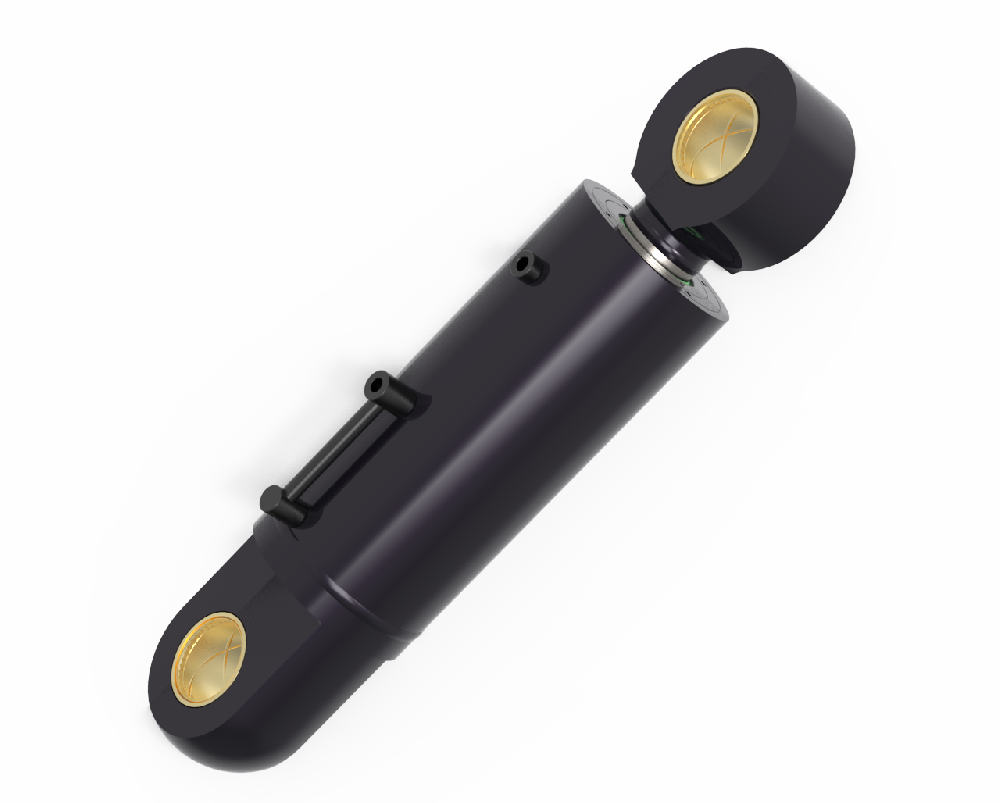
In summary, the boom oil cylinder of the hook machine is an important component of the hook machine working device, and its structural design and working principle are directly related to the excavation and handling performance of the hook machine. By gaining a deeper understanding of the structure and working principle of the hook arm oil cylinder, we can better grasp the usage and maintenance methods of the hook machine, improve its work efficiency and service life.
RELATED NEWS
2026-03-31
Why Is Predictive Maintenance Gaining Traction for Hydraulic Systems?
Predictive maintenance is rapidly gaining traction in the management of hydraulic systems due to its ability to reduce unplanned downtime, extend equipment life, and optimize operational efficiency. Hydraulic systems, which rely on pressuri···
2026-03-31
How to Improve the Efficiency of a Hydraulic System?
Improving the efficiency of a hydraulic system is essential for reducing energy consumption, lowering operational costs, and extending the lifespan of equipment. Hydraulic systems are widely used in industries like manufacturing, constructi···
2026-03-24
Why Is Heat Resistance Critical in Metallurgical Electric Furnace Hydraulic Cylinders?
Heat resistance is a critical property for hydraulic cylinders used in metallurgical electric furnaces. These cylinders are key components in controlling furnace doors, tilting mechanisms, and other heavy operations, often operating in envi···
2026-03-24
How Does a Metallurgical Electric Furnace Hydraulic Cylinder Handle High Heat?
In metallurgical processes, electric furnaces operate at extremely high temperatures, often exceeding 1,500°C. Hydraulic cylinders used in these furnaces play a critical role in controlling doors, tilting mechanisms, or other moving parts,···
2026-03-17
How Do Hydraulic Cylinders Improve Safety in Railway Equipment Operations?
Hydraulic cylinders play a crucial role in enhancing safety in railway equipment operations. These devices convert hydraulic energy into linear mechanical force, enabling precise and reliable movement of heavy railway machinery, such as tra···
2026-03-17
How to Maintain Hydraulic Cylinders for Railway Equipment?
Hydraulic cylinders are critical components in railway equipment, enabling smooth movement and heavy lifting in applications such as track maintenance machines, train doors, and suspension systems. Proper maintenance ensures safety, extends···

GET YOUR FREE QUOTE
We will contact you within 24 hours. ( WhatsApp/facebook:13665121168)