Welcome to WUXI DAHONG HYDRAULIC PNEUMENT CO.,LTD
WhatsApp: 13665121168 Email: shaominjiao@wxdahong.com


How does a telescopic hydraulic cylinder work?
Release Time :
2025-01-24
The cylinder consists of a series of tubular rods called sleeves. When hydraulic pressure is applied to the cylinder, the largest spindle or barrel or the largest sleeve will extend.
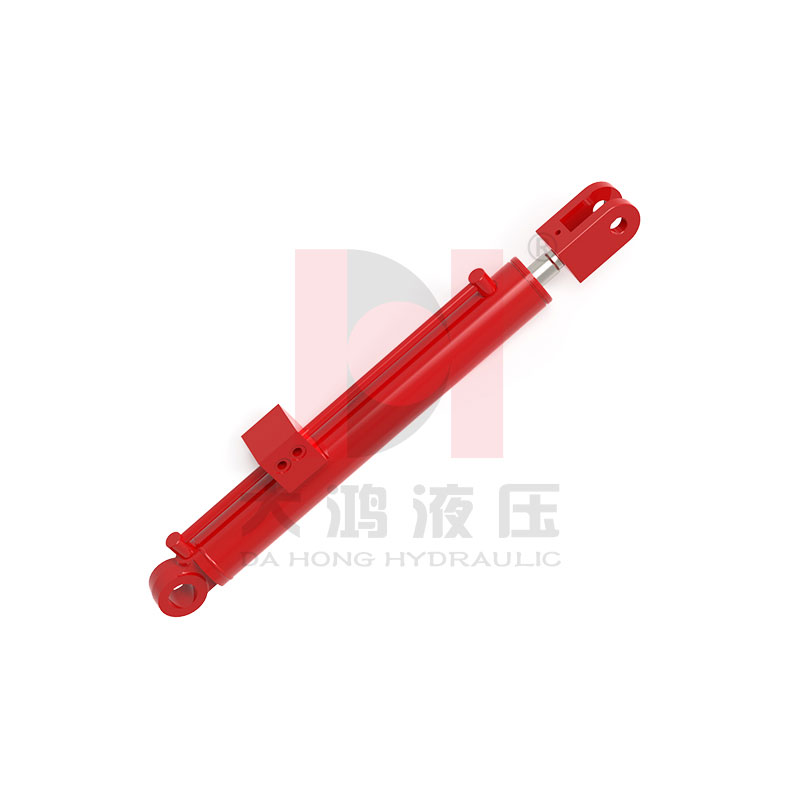
When the pressure oil enters from the rodless chamber, the cylinder with the largest piston effective area begins to extend. When it extends to the end, the cylinder with the second largest piston effective area begins to extend. The order of telescopic hydraulic extension is from large to small, and a longer working stroke is obtained. The smaller the effective area of the extension cylinder, the faster the extension speed.
When these cylinders reach the maximum stroke, the next sleeve starts to work, which is usually called a stage, and the process continues until the last cylinder (called a plunger).
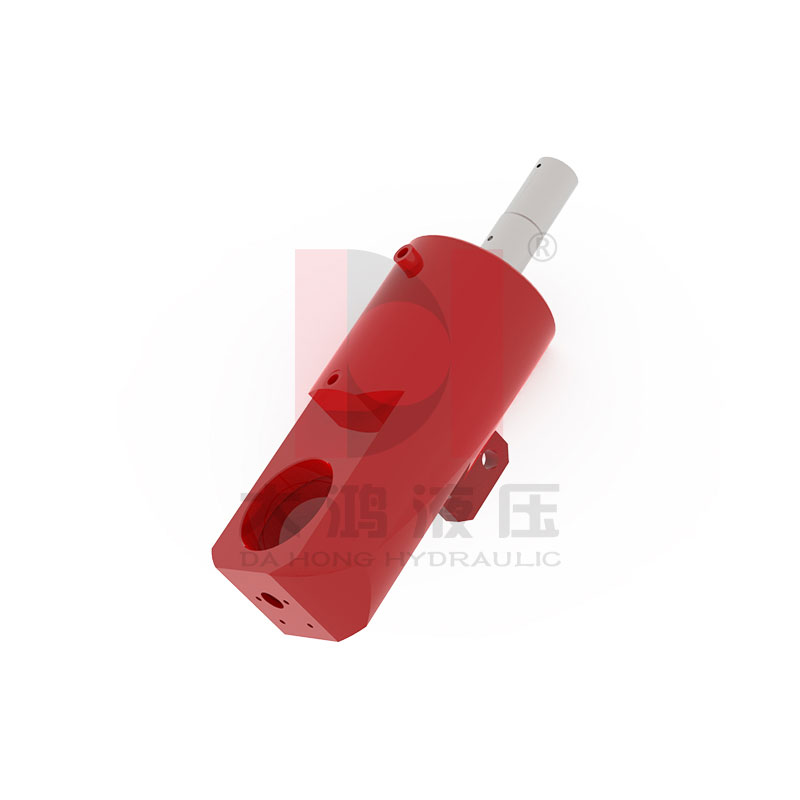
Therefore, the extension speed is from slow to fast, and the corresponding hydraulic thrust is from large to small. This change law of thrust and speed is just suitable for the thrust and speed requirements of various automatic loading and unloading machinery. The order of retraction is generally from small to large. When retracted, the axial length is short, the space occupied is small, and the structure is compact. The application field is generally the hydraulic system of engineering machinery and other mobile machinery, such as cranes, dump trucks, etc.
RELATED NEWS
2026-03-31
Why Is Predictive Maintenance Gaining Traction for Hydraulic Systems?
Predictive maintenance is rapidly gaining traction in the management of hydraulic systems due to its ability to reduce unplanned downtime, extend equipment life, and optimize operational efficiency. Hydraulic systems, which rely on pressuri···
2026-03-31
How to Improve the Efficiency of a Hydraulic System?
Improving the efficiency of a hydraulic system is essential for reducing energy consumption, lowering operational costs, and extending the lifespan of equipment. Hydraulic systems are widely used in industries like manufacturing, constructi···
2026-03-24
Why Is Heat Resistance Critical in Metallurgical Electric Furnace Hydraulic Cylinders?
Heat resistance is a critical property for hydraulic cylinders used in metallurgical electric furnaces. These cylinders are key components in controlling furnace doors, tilting mechanisms, and other heavy operations, often operating in envi···
2026-03-24
How Does a Metallurgical Electric Furnace Hydraulic Cylinder Handle High Heat?
In metallurgical processes, electric furnaces operate at extremely high temperatures, often exceeding 1,500°C. Hydraulic cylinders used in these furnaces play a critical role in controlling doors, tilting mechanisms, or other moving parts,···
2026-03-17
How Do Hydraulic Cylinders Improve Safety in Railway Equipment Operations?
Hydraulic cylinders play a crucial role in enhancing safety in railway equipment operations. These devices convert hydraulic energy into linear mechanical force, enabling precise and reliable movement of heavy railway machinery, such as tra···
2026-03-17
How to Maintain Hydraulic Cylinders for Railway Equipment?
Hydraulic cylinders are critical components in railway equipment, enabling smooth movement and heavy lifting in applications such as track maintenance machines, train doors, and suspension systems. Proper maintenance ensures safety, extends···

GET YOUR FREE QUOTE
We will contact you within 24 hours. ( WhatsApp/facebook:13665121168)