Welcome to WUXI DAHONG HYDRAULIC PNEUMENT CO.,LTD
WhatsApp: 13665121168 Email: shaominjiao@wxdahong.com


How Durable Is a Standard Welded High-Pressure Hydraulic Cylinder?
Release Time :
2026-03-03
A standard welded high-pressure hydraulic cylinder is a critical component in many industrial and mobile applications, providing linear force and motion under demanding conditions. The durability of these cylinders depends on several factors, including design, materials, manufacturing quality, and operating conditions.
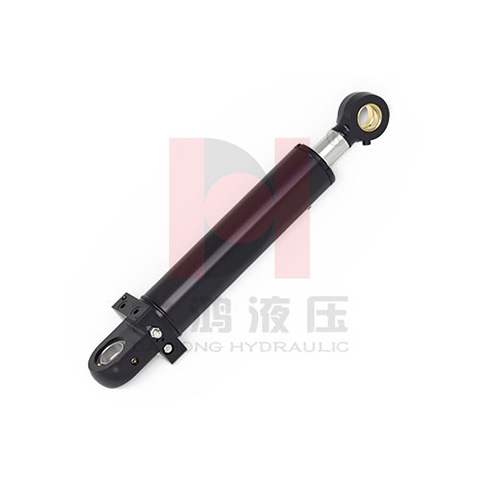
Typically, welded hydraulic cylinders are made from high-strength steel, with carefully engineered welds joining the cylinder barrel to the end caps. When properly manufactured, these welds provide excellent resistance to internal pressure and fatigue. Most standard welded cylinders are rated to handle pressures between 2,500 and 5,000 psi, and heavy-duty models can exceed 10,000 psi. The use of precision-machined rods, high-quality seals, and surface treatments such as hard chrome plating also contributes significantly to the cylinder’s longevity, minimizing wear and corrosion.
The expected lifespan of a welded hydraulic cylinder varies widely depending on usage. In moderate industrial applications with proper maintenance, a cylinder can last 5 to 10 years or more. Key maintenance practices, such as regular inspection for leaks, ensuring the hydraulic fluid is clean, and preventing overloading, can significantly extend durability. Operating conditions such as extreme temperatures, abrasive fluids, or excessive side loads can reduce service life if not properly managed.
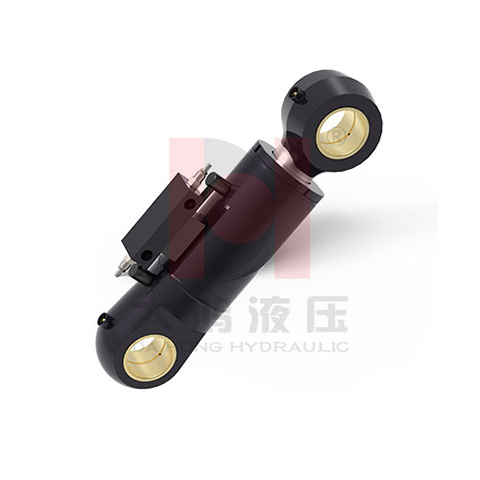
In summary, a standard welded high-pressure hydraulic cylinder is highly durable when designed and maintained correctly. Selecting the right cylinder for the application and following maintenance guidelines ensures reliable performance over many years, making welded cylinders a preferred choice for heavy-duty hydraulic systems.
RELATED NEWS
2026-03-31
Why Is Predictive Maintenance Gaining Traction for Hydraulic Systems?
Predictive maintenance is rapidly gaining traction in the management of hydraulic systems due to its ability to reduce unplanned downtime, extend equipment life, and optimize operational efficiency. Hydraulic systems, which rely on pressuri···
2026-03-31
How to Improve the Efficiency of a Hydraulic System?
Improving the efficiency of a hydraulic system is essential for reducing energy consumption, lowering operational costs, and extending the lifespan of equipment. Hydraulic systems are widely used in industries like manufacturing, constructi···
2026-03-24
Why Is Heat Resistance Critical in Metallurgical Electric Furnace Hydraulic Cylinders?
Heat resistance is a critical property for hydraulic cylinders used in metallurgical electric furnaces. These cylinders are key components in controlling furnace doors, tilting mechanisms, and other heavy operations, often operating in envi···
2026-03-24
How Does a Metallurgical Electric Furnace Hydraulic Cylinder Handle High Heat?
In metallurgical processes, electric furnaces operate at extremely high temperatures, often exceeding 1,500°C. Hydraulic cylinders used in these furnaces play a critical role in controlling doors, tilting mechanisms, or other moving parts,···
2026-03-17
How Do Hydraulic Cylinders Improve Safety in Railway Equipment Operations?
Hydraulic cylinders play a crucial role in enhancing safety in railway equipment operations. These devices convert hydraulic energy into linear mechanical force, enabling precise and reliable movement of heavy railway machinery, such as tra···
2026-03-17
How to Maintain Hydraulic Cylinders for Railway Equipment?
Hydraulic cylinders are critical components in railway equipment, enabling smooth movement and heavy lifting in applications such as track maintenance machines, train doors, and suspension systems. Proper maintenance ensures safety, extends···

GET YOUR FREE QUOTE
We will contact you within 24 hours. ( WhatsApp/facebook:13665121168)