Welcome to WUXI DAHONG HYDRAULIC PNEUMENT CO.,LTD
WhatsApp: 13665121168 Email: shaominjiao@wxdahong.com


Key points for maintenance and upkeep of the forearm oil cylinder
Release Time :
2024-07-17
In the field of construction machinery, excavators, as a common heavy equipment, have a direct impact on the quality and progress of engineering due to their stable and long-lasting performance. Among them, the forearm oil cylinder, as an important component of the excavator, its condition directly affects the overall performance of the excavator. Therefore, the maintenance and upkeep of the forearm oil cylinder is particularly important.
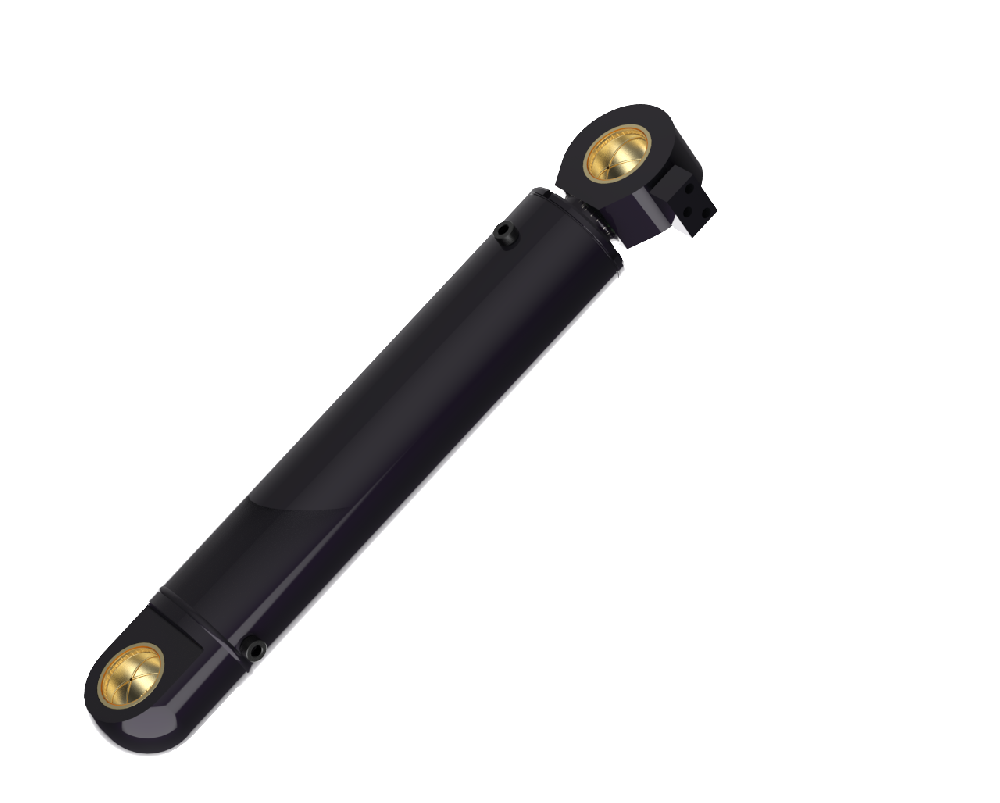
1、 The role and importance of the forearm oil cylinder
The forearm oil cylinder is a hydraulic component used in excavators to control the extension and contraction of the forearm, which carries various loads generated by the excavator during operation. The stability of the performance of the forearm oil cylinder directly affects the operational efficiency and safety of the excavator. If the forearm oil cylinder malfunctions, it not only leads to a decrease in the excavator's operating capacity, but may also cause safety accidents.
2、 Key points for maintenance and upkeep of the forearm oil cylinder
1. Regularly inspect and replace hydraulic oil
Hydraulic oil is an important medium for the operation of the forearm oil cylinder, and its quality and cleanliness directly affect the service life of the forearm oil cylinder. Therefore, when using excavators, the cleanliness and quality of hydraulic oil should be regularly checked, and contaminated or deteriorated hydraulic oil should be replaced in a timely manner. Meanwhile, hydraulic oil with stable quality and compliance with standards should be selected for replacement to ensure the normal operation of the forearm oil cylinder.
2. Cleaning and maintenance
During the operation of excavators, the surface of the forearm oil cylinder is prone to adhering dust, oil stains, and other dirt, which affects its normal use. Therefore, the forearm oil cylinder should be regularly cleaned and maintained to maintain its surface cleanliness and smoothness. During the cleaning process, specialized cleaning agents should be used to avoid the use of corrosive substances such as strong acids and bases.
3. Check and replace the seals
The sealing component of the forearm oil cylinder is an important component, and its sealing performance directly affects the leakage situation and performance stability of the forearm oil cylinder. Therefore, it is necessary to regularly check whether the sealing components of the forearm oil cylinder are intact, and replace any aging, damaged or leaking sealing components in a timely manner.
4. Avoid excessive wear and tear
During the operation of excavators, the forearm oil cylinder should be avoided from coming into contact with other hard objects to avoid excessive wear due to friction. At the same time, in case of overload or harsh working conditions of the excavator, the working intensity of the excavator should be appropriately reduced to reduce the wear of the forearm oil cylinder.
5. Correct usage method
When using excavators, operating procedures should be followed to avoid operations when the machine is overloaded or the conditions are not up to standard. Meanwhile, when the excavator is not in use for a long time, the forearm oil cylinder should be disassembled and stored in a dry place to avoid oil accumulation inside the cylinder.
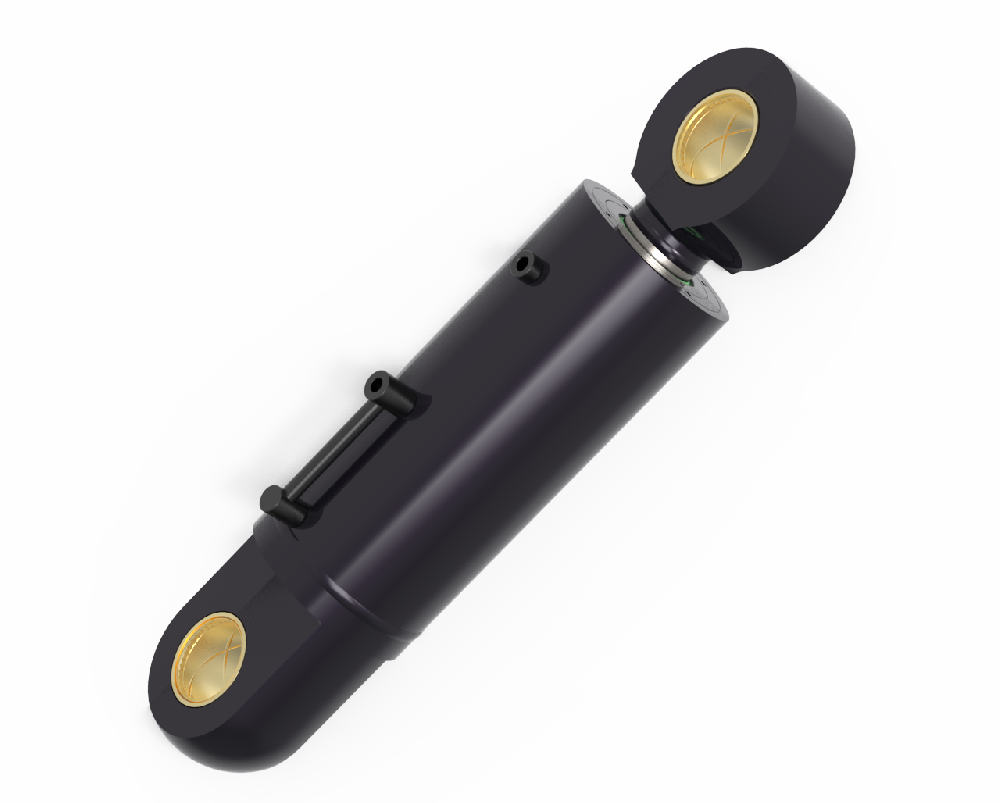
3、 Summary
The maintenance and upkeep of the forearm oil cylinder is an indispensable part of the daily work of excavators. Only by doing a good job in the maintenance and upkeep of the forearm oil cylinder can we ensure the normal operation of the excavator and extend its service life. Therefore, when using excavators, it is important to pay attention to the maintenance and upkeep of the forearm oil cylinder and take effective measures to extend its service life.
RELATED NEWS
2026-03-31
Why Is Predictive Maintenance Gaining Traction for Hydraulic Systems?
Predictive maintenance is rapidly gaining traction in the management of hydraulic systems due to its ability to reduce unplanned downtime, extend equipment life, and optimize operational efficiency. Hydraulic systems, which rely on pressuri···
2026-03-31
How to Improve the Efficiency of a Hydraulic System?
Improving the efficiency of a hydraulic system is essential for reducing energy consumption, lowering operational costs, and extending the lifespan of equipment. Hydraulic systems are widely used in industries like manufacturing, constructi···
2026-03-24
Why Is Heat Resistance Critical in Metallurgical Electric Furnace Hydraulic Cylinders?
Heat resistance is a critical property for hydraulic cylinders used in metallurgical electric furnaces. These cylinders are key components in controlling furnace doors, tilting mechanisms, and other heavy operations, often operating in envi···
2026-03-24
How Does a Metallurgical Electric Furnace Hydraulic Cylinder Handle High Heat?
In metallurgical processes, electric furnaces operate at extremely high temperatures, often exceeding 1,500°C. Hydraulic cylinders used in these furnaces play a critical role in controlling doors, tilting mechanisms, or other moving parts,···
2026-03-17
How Do Hydraulic Cylinders Improve Safety in Railway Equipment Operations?
Hydraulic cylinders play a crucial role in enhancing safety in railway equipment operations. These devices convert hydraulic energy into linear mechanical force, enabling precise and reliable movement of heavy railway machinery, such as tra···
2026-03-17
How to Maintain Hydraulic Cylinders for Railway Equipment?
Hydraulic cylinders are critical components in railway equipment, enabling smooth movement and heavy lifting in applications such as track maintenance machines, train doors, and suspension systems. Proper maintenance ensures safety, extends···

GET YOUR FREE QUOTE
We will contact you within 24 hours. ( WhatsApp/facebook:13665121168)