Welcome to WUXI DAHONG HYDRAULIC PNEUMENT CO.,LTD
WhatsApp: 13665121168 Email: shaominjiao@wxdahong.com


Methods to solve common faults in rod type oil cylinders
Release Time :
2024-08-12
As an important component of modern industrial equipment, the stable operation of the rod type oil cylinder is crucial for the efficiency of the entire production line. However, due to long-term use, improper operation, or inadequate maintenance, the rod type oil cylinder may experience various malfunctions. This article will provide a detailed introduction to common faults and their solutions of rod type oil cylinders.
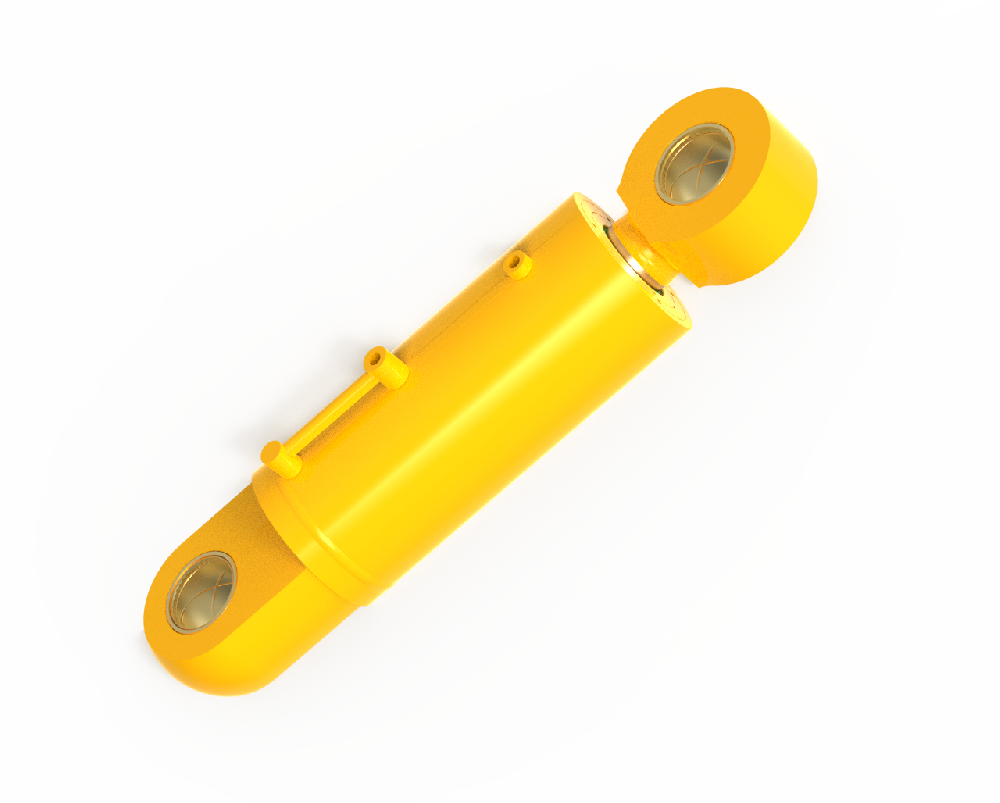
1、 Common types of faults in rod type oil cylinders
Oil leakage: The main cause of oil leakage is the problem with the sealing ring of the oil cylinder, or the aging and loss of sealing performance caused by long-term use. Oil leakage not only reduces the efficiency of oil cylinders, but may also affect the safety and hygiene of the surrounding environment.
Insensitive movement: The piston movement of the oil cylinder is not sensitive, which may be caused by poor lubrication, such as insufficient or contaminated lubricating oil.
Leakage: Leakage between various components in the oil cylinder is a common problem, which can lead to oil leakage or a decrease in oil pressure, affecting the efficiency and stability of the oil cylinder.
Completely not working: The phenomenon of hydraulic cylinders not working often occurs on newly installed hydraulic cylinders, which may be caused by excessive external resistance, insufficient oil inlet pressure, or internal reasons.
2、 Methods to solve common faults in rod type oil cylinders
Solution to oil leakage problem:
Regularly inspect the sealing ring of the oil cylinder and replace aging or damaged components in a timely manner.
Maintain and clean the oil cylinder to ensure the integrity and cleanliness of the sealing ring.
Strengthen the sealing performance of the oil cylinder by using high-quality sealing materials and sealing structures.
Solution to the problem of insensitive movement:
Regularly inspect and replace with clean lubricating oil to ensure sufficient and clean lubrication.
Check the lubrication system of the oil cylinder to ensure smooth and unobstructed supply of lubricating oil.
For faults caused by poor lubrication, methods such as adding lubricants or improving lubrication conditions can be used to solve them.
Solution to leakage problem:
Check the sealing condition of the oil cylinder, and if there is any leakage, repair or replace the sealing components in a timely manner.
Strengthen the sealing performance of the oil cylinder by using high-quality sealing materials and sealing structures.
For leakage problems caused by aging seals, new seals should be replaced in a timely manner.
The solution to the problem of not working at all:
Check if the resistance of the moving parts of the hydraulic cylinder is too high. If there is jamming, wedging, or pressing against other parts, it should be dealt with in a timely manner.
Check if the oil inlet pressure reaches the specified value. If the pressure is insufficient, check if the hydraulic pump, drive motor, and pressure regulating valve are working properly.
After excluding external factors, further check the internal causes of the hydraulic cylinder, such as the piston rod being stuck and other situations, which should be dealt with in a timely manner.
3、 Maintenance and upkeep of rod type oil cylinder
In order to extend the service life of the rod type oil cylinder and improve its work efficiency, in addition to timely solving common faults, it is also necessary to strengthen its maintenance and upkeep work. Specifically, it includes:
Regularly check the sealing performance and lubrication of the oil cylinder, and replace the sealing components and lubricating oil in a timely manner.
Regularly clean and maintain the oil cylinder to ensure that its interior is clean and free of impurities.
Regularly inspect the fasteners of the oil cylinder for looseness or damage, and promptly address any issues.
Comply with operating procedures and safety regulations to avoid malfunctions and accidents caused by improper operation.
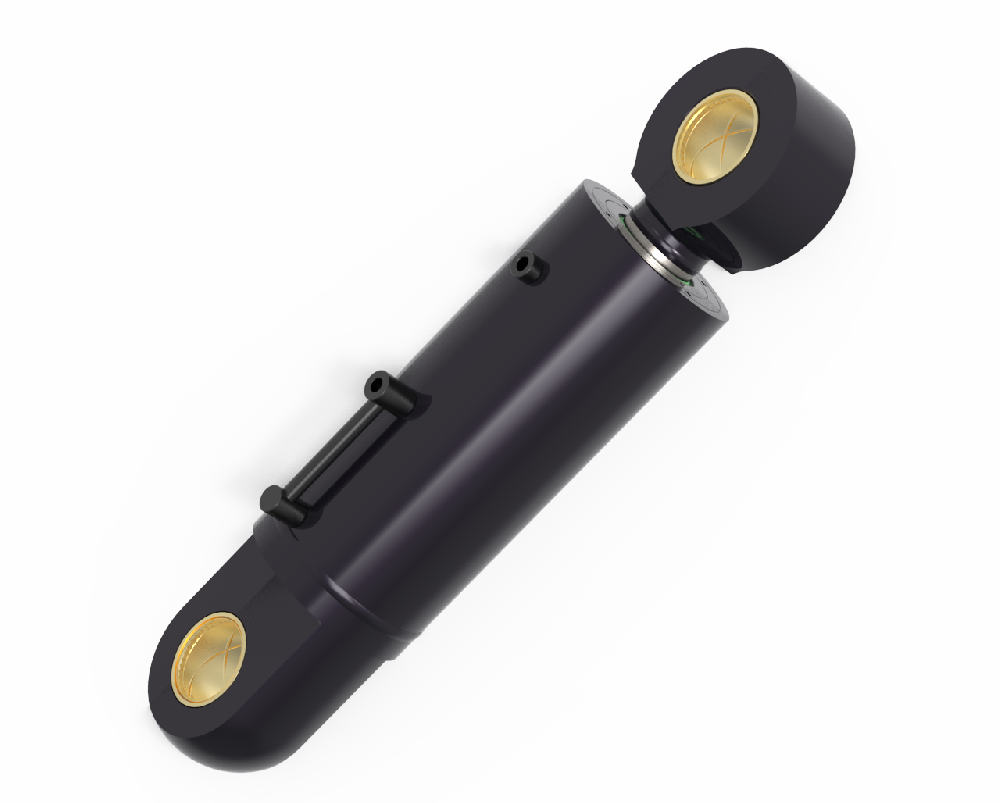
In short, targeted measures and methods need to be taken to solve common faults of the rod type oil cylinder, and its maintenance and upkeep work should be strengthened. Only in this way can the stable operation of the rod type oil cylinder be ensured and its service life be extended.
RELATED NEWS
2026-03-31
Why Is Predictive Maintenance Gaining Traction for Hydraulic Systems?
Predictive maintenance is rapidly gaining traction in the management of hydraulic systems due to its ability to reduce unplanned downtime, extend equipment life, and optimize operational efficiency. Hydraulic systems, which rely on pressuri···
2026-03-31
How to Improve the Efficiency of a Hydraulic System?
Improving the efficiency of a hydraulic system is essential for reducing energy consumption, lowering operational costs, and extending the lifespan of equipment. Hydraulic systems are widely used in industries like manufacturing, constructi···
2026-03-24
Why Is Heat Resistance Critical in Metallurgical Electric Furnace Hydraulic Cylinders?
Heat resistance is a critical property for hydraulic cylinders used in metallurgical electric furnaces. These cylinders are key components in controlling furnace doors, tilting mechanisms, and other heavy operations, often operating in envi···
2026-03-24
How Does a Metallurgical Electric Furnace Hydraulic Cylinder Handle High Heat?
In metallurgical processes, electric furnaces operate at extremely high temperatures, often exceeding 1,500°C. Hydraulic cylinders used in these furnaces play a critical role in controlling doors, tilting mechanisms, or other moving parts,···
2026-03-17
How Do Hydraulic Cylinders Improve Safety in Railway Equipment Operations?
Hydraulic cylinders play a crucial role in enhancing safety in railway equipment operations. These devices convert hydraulic energy into linear mechanical force, enabling precise and reliable movement of heavy railway machinery, such as tra···
2026-03-17
How to Maintain Hydraulic Cylinders for Railway Equipment?
Hydraulic cylinders are critical components in railway equipment, enabling smooth movement and heavy lifting in applications such as track maintenance machines, train doors, and suspension systems. Proper maintenance ensures safety, extends···

GET YOUR FREE QUOTE
We will contact you within 24 hours. ( WhatsApp/facebook:13665121168)