Welcome to WUXI DAHONG HYDRAULIC PNEUMENT CO.,LTD
WhatsApp: 13665121168 Email: shaominjiao@wxdahong.com


What is the piston rod of a hydraulic cylinder?
Release Time :
2025-01-26
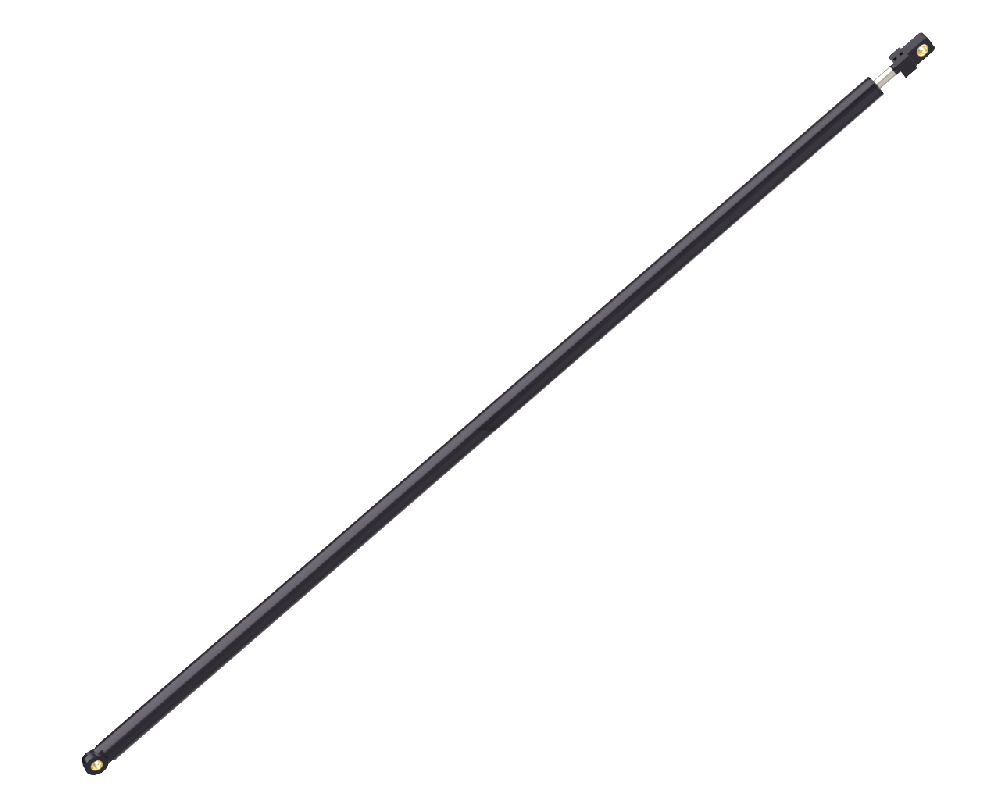
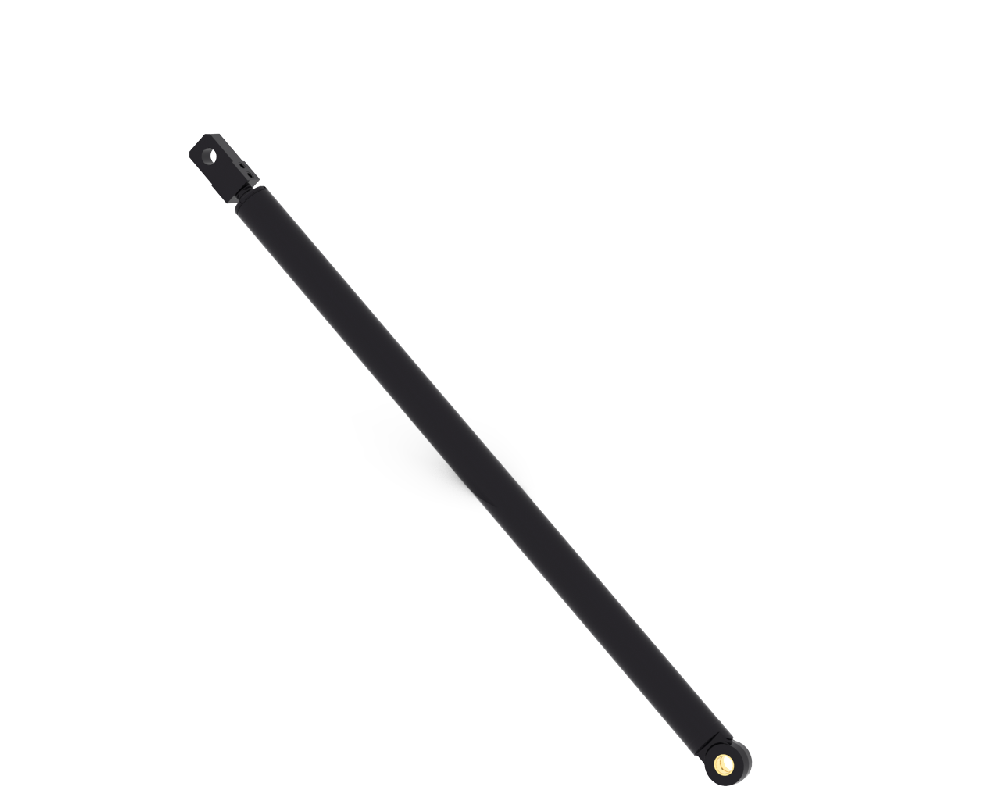
The piston rod is a fundamental and critical component of every hydraulic or pneumatic cylinder. Typically a precision-machined, hard-chrome-plated, cold-worked steel rod, the piston rod transfers the force generated by the piston to the machine component that performs the work. Despite being a vital component of a hydraulic cylinder, the piston rod is often taken for granted—until something goes wrong.
The biggest enemy of any cylinder is seal or piston rod failure. The primary cause of this failure is rust or other corrosion, which can lead to significant cost increases due to:
• Higher frequency and cost of warranty claims,
• Lower reliability of machines in the field, which can reduce customer satisfaction, and
• Loss of brand loyalty due to both of the above reasons.
The right choice can make a piston rod made from chrome rods have a significant impact on your bottom line. Recognizing the importance of this component, chrome rod manufacturers have taken on the challenge of corrosion resistance.
Steel rod producers have been working to solve this problem for years. Improvements in technology and processes, combined with individual innovations, have enabled advances in corrosion protection that were unimaginable 25 years ago.
Salt spray test time between failures, the recognized benchmark for corrosion resistance, has increased almost exponentially. 24 hours was the standard in the 1980s. But today, test results of 1,000 hours or more are routine.
25 years ago, a 7-year replacement cycle for piston rods was acceptable practice. Today, the expectation of some piston rod manufacturers is that their products will outlast the machines they drive. The performance standards for piston rods have certainly been raised!
RELATED NEWS
2026-03-31
Why Is Predictive Maintenance Gaining Traction for Hydraulic Systems?
Predictive maintenance is rapidly gaining traction in the management of hydraulic systems due to its ability to reduce unplanned downtime, extend equipment life, and optimize operational efficiency. Hydraulic systems, which rely on pressuri···
2026-03-31
How to Improve the Efficiency of a Hydraulic System?
Improving the efficiency of a hydraulic system is essential for reducing energy consumption, lowering operational costs, and extending the lifespan of equipment. Hydraulic systems are widely used in industries like manufacturing, constructi···
2026-03-24
Why Is Heat Resistance Critical in Metallurgical Electric Furnace Hydraulic Cylinders?
Heat resistance is a critical property for hydraulic cylinders used in metallurgical electric furnaces. These cylinders are key components in controlling furnace doors, tilting mechanisms, and other heavy operations, often operating in envi···
2026-03-24
How Does a Metallurgical Electric Furnace Hydraulic Cylinder Handle High Heat?
In metallurgical processes, electric furnaces operate at extremely high temperatures, often exceeding 1,500°C. Hydraulic cylinders used in these furnaces play a critical role in controlling doors, tilting mechanisms, or other moving parts,···
2026-03-17
How Do Hydraulic Cylinders Improve Safety in Railway Equipment Operations?
Hydraulic cylinders play a crucial role in enhancing safety in railway equipment operations. These devices convert hydraulic energy into linear mechanical force, enabling precise and reliable movement of heavy railway machinery, such as tra···
2026-03-17
How to Maintain Hydraulic Cylinders for Railway Equipment?
Hydraulic cylinders are critical components in railway equipment, enabling smooth movement and heavy lifting in applications such as track maintenance machines, train doors, and suspension systems. Proper maintenance ensures safety, extends···

GET YOUR FREE QUOTE
We will contact you within 24 hours. ( WhatsApp/facebook:13665121168)