Welcome to WUXI DAHONG HYDRAULIC PNEUMENT CO.,LTD
WhatsApp: 13665121168 Email: shaominjiao@wxdahong.com


How is a hydraulic motor powered?
Release Time :
2025-02-12
A hydraulic motor is essentially a mechanical actuator whose job is to convert fluid power into the mechanical energy needed to drive a machine.
Fluid power is the driving force behind all hydraulic operations, including how motors work.
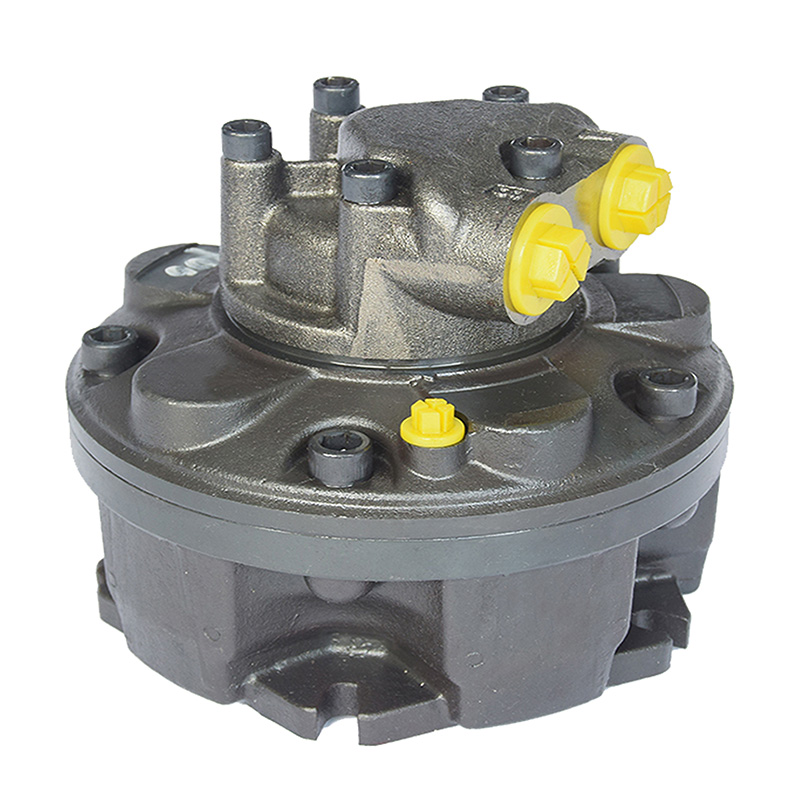
Hydraulic motors use pressurized fluid from a hydraulic pump to generate forces, such as angular displacement and torque. When fluid is delivered to a hydraulic motor, it pushes on the motor's gears, vanes, or pistons, which turns the motor output shaft.
The rotating shaft uses the water flow and hydraulic pressure to create rotational torque, which in turn creates the power and force needed to move an external load. The cycle then repeats.
The speed at which a hydraulic motor can operate depends on the amount of oil and pressure provided by the pump.
Hydraulic motors are an excellent alternative to electric motors in mobile applications that require no electrical power. They are often used to power tracked vehicles such as bulldozers and excavators because they are able to provide extremely high torque in a compact design.
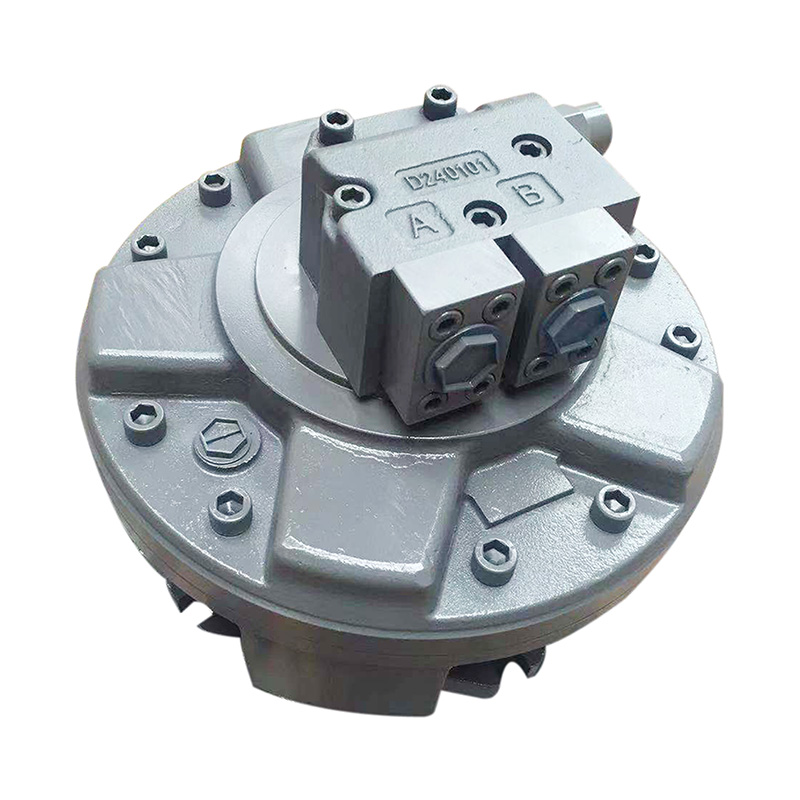
Conceptually, hydraulic motors should be interchangeable with hydraulic pumps because they perform opposite functions - similar to how DC motors can theoretically be interchangeable with DC generators. However, many hydraulic pumps cannot be used as hydraulic motors because they cannot be driven in reverse. Additionally, hydraulic motors are usually designed to have operating pressure on both sides of the motor, whereas most hydraulic pumps rely on low pressure provided by a tank on the input side and will leak oil if abused as a motor.
RELATED NEWS
2026-03-31
Why Is Predictive Maintenance Gaining Traction for Hydraulic Systems?
Predictive maintenance is rapidly gaining traction in the management of hydraulic systems due to its ability to reduce unplanned downtime, extend equipment life, and optimize operational efficiency. Hydraulic systems, which rely on pressuri···
2026-03-31
How to Improve the Efficiency of a Hydraulic System?
Improving the efficiency of a hydraulic system is essential for reducing energy consumption, lowering operational costs, and extending the lifespan of equipment. Hydraulic systems are widely used in industries like manufacturing, constructi···
2026-03-24
Why Is Heat Resistance Critical in Metallurgical Electric Furnace Hydraulic Cylinders?
Heat resistance is a critical property for hydraulic cylinders used in metallurgical electric furnaces. These cylinders are key components in controlling furnace doors, tilting mechanisms, and other heavy operations, often operating in envi···
2026-03-24
How Does a Metallurgical Electric Furnace Hydraulic Cylinder Handle High Heat?
In metallurgical processes, electric furnaces operate at extremely high temperatures, often exceeding 1,500°C. Hydraulic cylinders used in these furnaces play a critical role in controlling doors, tilting mechanisms, or other moving parts,···
2026-03-17
How Do Hydraulic Cylinders Improve Safety in Railway Equipment Operations?
Hydraulic cylinders play a crucial role in enhancing safety in railway equipment operations. These devices convert hydraulic energy into linear mechanical force, enabling precise and reliable movement of heavy railway machinery, such as tra···
2026-03-17
How to Maintain Hydraulic Cylinders for Railway Equipment?
Hydraulic cylinders are critical components in railway equipment, enabling smooth movement and heavy lifting in applications such as track maintenance machines, train doors, and suspension systems. Proper maintenance ensures safety, extends···

GET YOUR FREE QUOTE
We will contact you within 24 hours. ( WhatsApp/facebook:13665121168)