Welcome to WUXI DAHONG HYDRAULIC PNEUMENT CO.,LTD
WhatsApp: 13665121168 Email: shaominjiao@wxdahong.com


What does a hydraulic cylinder do?
Release Time :
2025-02-21
Hydraulic cylinders are fascinating and highly useful components in various machines and equipment we encounter in our daily lives, as well as in many industrial settings. They play a crucial role in various applications, from construction machinery to manufacturing equipment. But What does a hydraulic cylinder do exactly?
Power Conversion
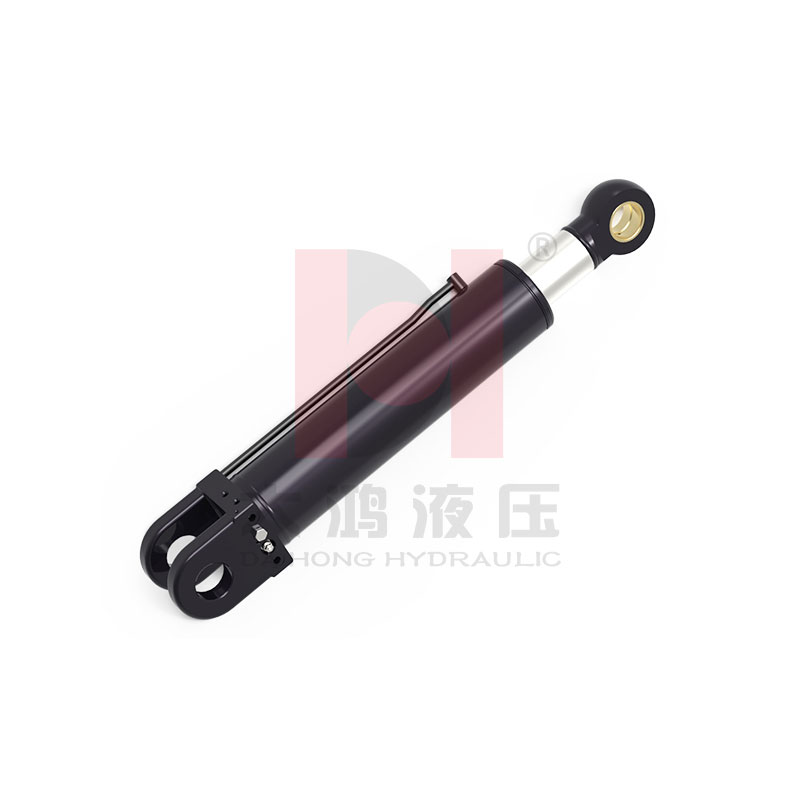
A hydraulic cylinder is essentially a device that converts hydraulic energy into linear mechanical motion. It works by using the principle of Pascal's law. In a hydraulic system, fluid is pressurized. When this high-pressure fluid enters the cylinder, it exerts a force on the piston inside. Depending on the design, this force can cause the piston to move in either one direction (single-action cylinder) or both directions (double-action cylinder). For example, in a construction excavator, the hydraulic cylinder allows the arm to extend and retract with great force, enabling the machine to dig and move soil.
Lift and Move Heavy Loads
One of the primary functions of a hydraulic cylinder is to lift and move heavy objects. In industrial warehouses, for instance, hydraulic cylinders are used in forklifts to lift and lower pallets filled with goods. The precise control and powerful force generated by the hydraulic cylinder ensure that the load can be lifted and moved accurately and safely. This is also commonly seen in construction, where hydraulic cylinders are part of crane systems, allowing them to hoist heavy steel beams and other materials to the desired height.
Precise Positioning
Hydraulic cylinders offer excellent precision in positioning. In manufacturing plants, they are used in various automation systems. For example, in a CNC machine, the hydraulic cylinder can precisely position the cutting tool or workpiece, ensuring the accuracy of the machining process. This precision is vital in industries such as aerospace, automotive manufacturing, and medical device production, where even the slightest deviation can affect the quality and functionality of the final product.
Absorb Shocks and Vibrations
Another important role of a hydraulic cylinder is to absorb shocks and vibrations. In heavy machinery like excavators and loaders, the constant impacts and vibrations can cause damage to the equipment over time. Hydraulic cylinders with special damping mechanisms can help cushion these impacts, reducing wear and tear on the machinery. This not only extends the lifespan of the equipment but also improves its operating efficiency.
Three-dimensional Movement
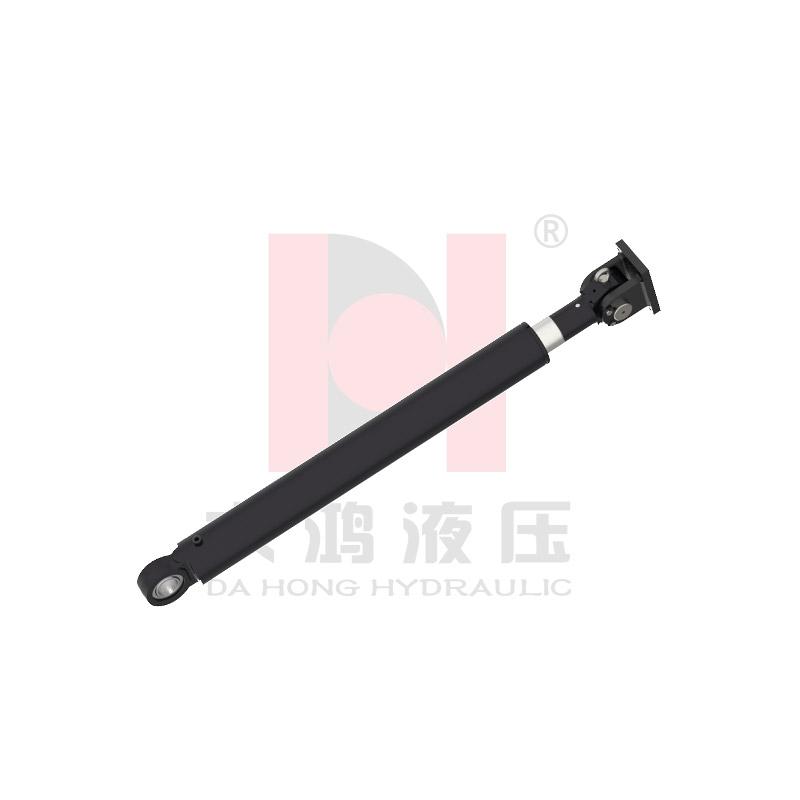
Some advanced hydraulic cylinder systems can provide three-dimensional movement. In robotics, for example, hydraulic cylinders can be used to create multi-axis movement capabilities. This allows robots to perform complex tasks such as assembly, welding, and painting in a more precise and efficient manner. The ability to move in multiple directions makes hydraulic cylinders indispensable in many modern manufacturing and automation applications.
In conclusion, Hydraulic Cylinder are truly remarkable devices with a wide range of applications and functions. They enable a variety of machines and equipment to perform tasks that would otherwise be extremely difficult or impossible. Whether it's lifting heavy loads, providing precise positioning, or absorbing shocks, hydraulic cylinders are essential components that contribute to the efficient and safe operation of numerous industries. Understanding What a hydraulic cylinder does helps us appreciate the complex mechanisms that surround us and the vital role these components play in our modern world.
RELATED NEWS
2026-03-31
Why Is Predictive Maintenance Gaining Traction for Hydraulic Systems?
Predictive maintenance is rapidly gaining traction in the management of hydraulic systems due to its ability to reduce unplanned downtime, extend equipment life, and optimize operational efficiency. Hydraulic systems, which rely on pressuri···
2026-03-31
How to Improve the Efficiency of a Hydraulic System?
Improving the efficiency of a hydraulic system is essential for reducing energy consumption, lowering operational costs, and extending the lifespan of equipment. Hydraulic systems are widely used in industries like manufacturing, constructi···
2026-03-24
Why Is Heat Resistance Critical in Metallurgical Electric Furnace Hydraulic Cylinders?
Heat resistance is a critical property for hydraulic cylinders used in metallurgical electric furnaces. These cylinders are key components in controlling furnace doors, tilting mechanisms, and other heavy operations, often operating in envi···
2026-03-24
How Does a Metallurgical Electric Furnace Hydraulic Cylinder Handle High Heat?
In metallurgical processes, electric furnaces operate at extremely high temperatures, often exceeding 1,500°C. Hydraulic cylinders used in these furnaces play a critical role in controlling doors, tilting mechanisms, or other moving parts,···
2026-03-17
How Do Hydraulic Cylinders Improve Safety in Railway Equipment Operations?
Hydraulic cylinders play a crucial role in enhancing safety in railway equipment operations. These devices convert hydraulic energy into linear mechanical force, enabling precise and reliable movement of heavy railway machinery, such as tra···
2026-03-17
How to Maintain Hydraulic Cylinders for Railway Equipment?
Hydraulic cylinders are critical components in railway equipment, enabling smooth movement and heavy lifting in applications such as track maintenance machines, train doors, and suspension systems. Proper maintenance ensures safety, extends···

GET YOUR FREE QUOTE
We will contact you within 24 hours. ( WhatsApp/facebook:13665121168)