Welcome to WUXI DAHONG HYDRAULIC PNEUMENT CO.,LTD
WhatsApp: 13665121168 Email: shaominjiao@wxdahong.com


How to check if a hydraulic cylinder is leaking internally?
Release Time :
2025-02-28
Hydraulic cylinders are essential components in many industrial and mechanical systems, providing the force needed to perform heavy-duty tasks with precision. However, like any mechanical system, hydraulic cylinders are susceptible to wear and tear, and one of the most common issues they face is internal leakage. Internal leakage in a hydraulic cylinder can lead to reduced efficiency, loss of pressure, and even system failure if left unaddressed. Detecting internal leaks early is crucial for maintaining the performance and longevity of the hydraulic cylinder. This article explores the signs of internal leakage, methods to diagnose the issue, and steps to address it effectively.
Understanding Internal Leakage in Hydraulic Cylinders
Internal leakage occurs when hydraulic fluid bypasses the piston seals within the cylinder, allowing fluid to flow from the high-pressure side to the low-pressure side. This can result in a loss of force, slower operation, and increased energy consumption. Unlike external leaks, which are visible and easier to detect, internal leaks are hidden within the cylinder, making them more challenging to identify. However, there are several methods to check for internal leakage and ensure the hydraulic cylinder operates at peak performance.
Signs of Internal Leakage in a Hydraulic Cylinder
Before diving into diagnostic methods, it’s important to recognize the symptoms of internal leakage. Common signs include:
1.Reduced Performance: The cylinder may struggle to generate the required force or move slower than usual.
2.Drifting Load: If the cylinder cannot hold a load in place and drifts downward or retracts unintentionally, it may indicate internal leakage.
3.Increased Operating Temperature: Internal leakage can cause the hydraulic fluid to overheat due to excessive friction and pressure loss.
4.Unusual Noises: Gurgling or hissing sounds may suggest fluid bypassing the seals.
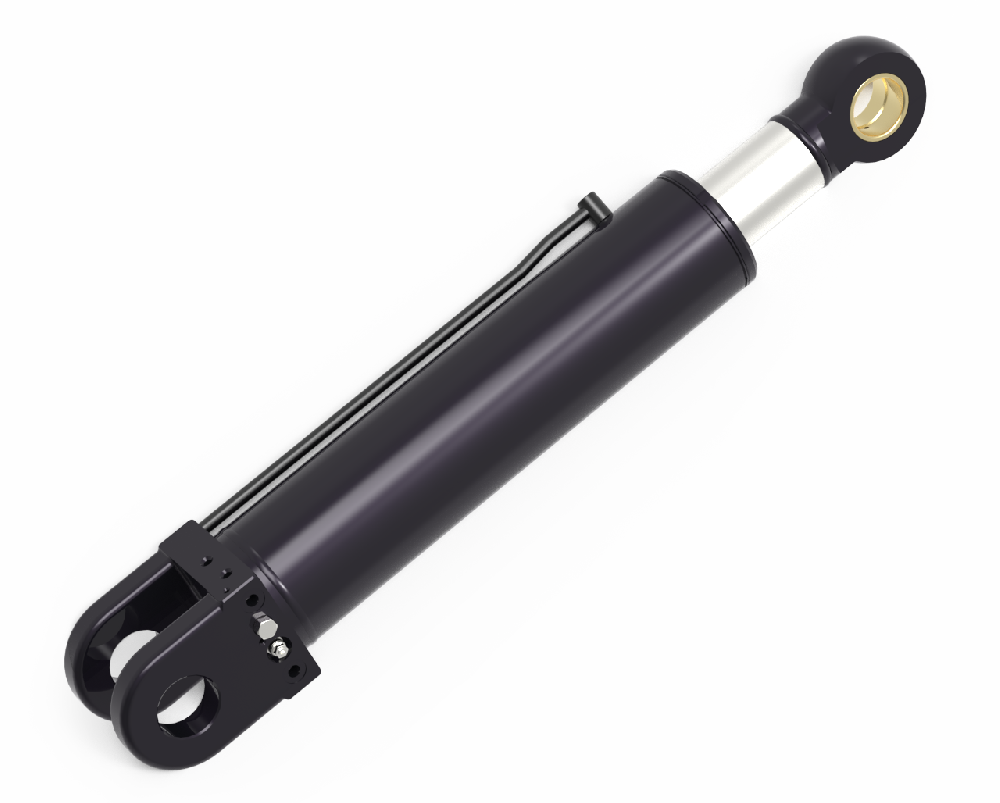
Methods to Check for Internal Leakage
Detecting internal leakage requires a systematic approach. Here are some effective methods to diagnose the issue:
1. Visual Inspection of External Components
While internal leaks are not visible, inspecting external components such as seals, hoses, and connections can help rule out external leakage as the cause of performance issues.
2. Load Testing
Apply a load to the cylinder and observe its behavior. If the cylinder cannot maintain the load or drifts over time, it may indicate internal leakage.
3. Flow Meter Testing
Use a flow meter to measure the fluid flow on both sides of the cylinder. A significant difference in flow rates suggests internal leakage.
4. Pressure Testing
Isolate the cylinder and pressurize it. Monitor the pressure over time. A gradual drop in pressure indicates fluid bypassing the piston seals.
5. Temperature Monitoring
Check the temperature of the hydraulic fluid during operation. An unusually high temperature may point to internal leakage causing excessive friction.
6. Disassembly and Inspection
If other methods are inconclusive, disassembling the cylinder to inspect the piston seals, barrel, and other internal components can provide definitive evidence of leakage.
Steps to Address Internal Leakage
Once internal leakage is confirmed, taking prompt action is essential to restore the hydraulic cylinder’s functionality. Here are the steps to address the issue:
1.Replace Worn Seals: Damaged or worn piston seals are the most common cause of internal leakage. Replacing them with high-quality seals can resolve the issue.
2.Repair or Replace Damaged Components: Inspect the cylinder barrel, piston, and rod for damage. Repair or replace any components that show signs of wear or corrosion.
3.Clean the System: Contaminants in the hydraulic fluid can damage seals and other components. Flush the system and replace the fluid to prevent further issues.
4.Reassemble and Test: After repairs, reassemble the cylinder and conduct thorough testing to ensure the leakage has been resolved.
Preventive Measures to Avoid Internal Leakage
Preventing internal leakage is key to maintaining the efficiency and lifespan of a hydraulic cylinder. Here are some preventive measures:
Regular Maintenance: Schedule routine inspections and maintenance to identify and address issues early.
Use High-Quality Seals: Invest in durable, high-performance seals designed for the specific operating conditions.
Monitor Fluid Quality: Keep the hydraulic fluid clean and free of contaminants by using proper filtration systems.
Avoid Overloading: Operate the cylinder within its specified load limits to prevent excessive wear and tear.
Conclusion
Internal leakage in a hydraulic cylinder can significantly impact its performance and lead to costly downtime if not addressed promptly. By recognizing the signs of internal leakage and using diagnostic methods such as load testing, flow meter testing, and pressure testing, operators can identify and resolve the issue effectively. Regular maintenance, high-quality components, and proper operating practices are essential for preventing internal leakage and ensuring the hydraulic cylinder operates reliably. As hydraulic cylinders continue to play a critical role in industrial applications, understanding how to check for and address internal leakage will remain a vital skill for maintaining efficiency and productivity. With the right approach, hydraulic cylinders can deliver consistent performance, minimizing disruptions and maximizing operational success.
RELATED NEWS
2026-03-31
Why Is Predictive Maintenance Gaining Traction for Hydraulic Systems?
Predictive maintenance is rapidly gaining traction in the management of hydraulic systems due to its ability to reduce unplanned downtime, extend equipment life, and optimize operational efficiency. Hydraulic systems, which rely on pressuri···
2026-03-31
How to Improve the Efficiency of a Hydraulic System?
Improving the efficiency of a hydraulic system is essential for reducing energy consumption, lowering operational costs, and extending the lifespan of equipment. Hydraulic systems are widely used in industries like manufacturing, constructi···
2026-03-24
Why Is Heat Resistance Critical in Metallurgical Electric Furnace Hydraulic Cylinders?
Heat resistance is a critical property for hydraulic cylinders used in metallurgical electric furnaces. These cylinders are key components in controlling furnace doors, tilting mechanisms, and other heavy operations, often operating in envi···
2026-03-24
How Does a Metallurgical Electric Furnace Hydraulic Cylinder Handle High Heat?
In metallurgical processes, electric furnaces operate at extremely high temperatures, often exceeding 1,500°C. Hydraulic cylinders used in these furnaces play a critical role in controlling doors, tilting mechanisms, or other moving parts,···
2026-03-17
How Do Hydraulic Cylinders Improve Safety in Railway Equipment Operations?
Hydraulic cylinders play a crucial role in enhancing safety in railway equipment operations. These devices convert hydraulic energy into linear mechanical force, enabling precise and reliable movement of heavy railway machinery, such as tra···
2026-03-17
How to Maintain Hydraulic Cylinders for Railway Equipment?
Hydraulic cylinders are critical components in railway equipment, enabling smooth movement and heavy lifting in applications such as track maintenance machines, train doors, and suspension systems. Proper maintenance ensures safety, extends···

GET YOUR FREE QUOTE
We will contact you within 24 hours. ( WhatsApp/facebook:13665121168)