Welcome to WUXI DAHONG HYDRAULIC PNEUMENT CO.,LTD
WhatsApp: 13665121168 Email: shaominjiao@wxdahong.com


Why Is Preventive Maintenance Critical for Hydraulic System Longevity?
Release Time :
2026-02-24
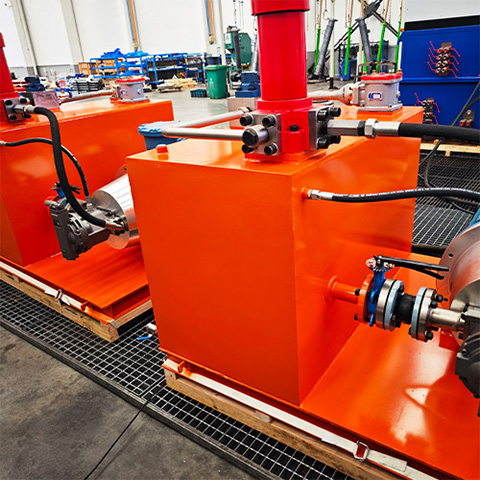
Hydraulic systems are widely used in manufacturing equipment, construction machinery, agricultural tools, and industrial automation lines. Because these systems operate under high pressure and continuous load, component wear is inevitable over time. Preventive maintenance plays a central role in extending hydraulic system service life, reducing unplanned downtime, and maintaining stable performance.
1. Reducing Component Wear and Early Failure
Hydraulic systems rely on coordinated interaction between pumps, valves, cylinders, seals, and pipelines. Contaminated fluid, improper pressure settings, or neglected filter replacement can accelerate wear on internal components. Microscopic particles in hydraulic oil may damage precision surfaces, leading to leakage or pressure instability.
Through scheduled oil analysis, filter replacement, and inspection of seals and hoses, preventive maintenance minimizes internal abrasion and helps avoid premature component failure.
2. Maintaining Fluid Quality and System Efficiency
Hydraulic fluid serves multiple functions: power transmission, lubrication, cooling, and corrosion protection. Over time, oil can degrade due to oxidation, moisture ingress, and thermal stress. Degraded fluid affects viscosity and lubrication performance, which may reduce system responsiveness and increase internal friction.
Routine oil sampling and replacement ensure that fluid properties remain within design specifications. Maintaining proper fluid quality supports consistent pressure output and efficient energy transfer.
3. Preventing Costly Downtime
Unexpected hydraulic failures can interrupt production schedules and create secondary damage to connected equipment. A minor leak or blocked filter, if ignored, may escalate into pump seizure or actuator malfunction.
Preventive maintenance identifies potential issues during planned service intervals. By detecting abnormalities such as unusual vibration, temperature rise, or pressure fluctuation, technicians can correct problems before they disrupt operations.
4. Extending Equipment Service Life
Hydraulic components are typically designed for long-term operation under specified conditions. However, lack of maintenance shortens their effective lifespan. Regular inspection of hoses, fittings, and connection points helps prevent structural fatigue and fluid leakage.
When maintenance procedures follow manufacturer guidelines—such as pressure calibration, torque checks, and seal replacement—the entire hydraulic system maintains structural integrity and operational reliability over a longer period.
5. Improving Operational Safety
Hydraulic systems operate under high pressure. Damaged hoses, weakened fittings, or faulty relief valves may pose safety risks. Preventive maintenance ensures that pressure control devices function properly and that system integrity is maintained.
Routine checks reduce the likelihood of sudden failures that could endanger operators or damage surrounding equipment.
Conclusion
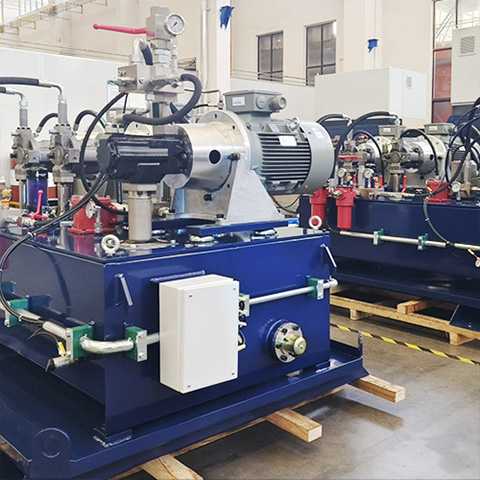
Preventive maintenance is not simply a routine task; it is a strategic approach to protecting hydraulic system performance. By controlling contamination, maintaining fluid quality, monitoring system parameters, and replacing wear components on schedule, organizations can reduce repair costs, avoid downtime, and extend equipment lifespan. A structured maintenance program ensures that hydraulic systems continue to operate reliably and efficiently over the long term.
RELATED NEWS
2026-03-31
Why Is Predictive Maintenance Gaining Traction for Hydraulic Systems?
Predictive maintenance is rapidly gaining traction in the management of hydraulic systems due to its ability to reduce unplanned downtime, extend equipment life, and optimize operational efficiency. Hydraulic systems, which rely on pressuri···
2026-03-31
How to Improve the Efficiency of a Hydraulic System?
Improving the efficiency of a hydraulic system is essential for reducing energy consumption, lowering operational costs, and extending the lifespan of equipment. Hydraulic systems are widely used in industries like manufacturing, constructi···
2026-03-24
Why Is Heat Resistance Critical in Metallurgical Electric Furnace Hydraulic Cylinders?
Heat resistance is a critical property for hydraulic cylinders used in metallurgical electric furnaces. These cylinders are key components in controlling furnace doors, tilting mechanisms, and other heavy operations, often operating in envi···
2026-03-24
How Does a Metallurgical Electric Furnace Hydraulic Cylinder Handle High Heat?
In metallurgical processes, electric furnaces operate at extremely high temperatures, often exceeding 1,500°C. Hydraulic cylinders used in these furnaces play a critical role in controlling doors, tilting mechanisms, or other moving parts,···
2026-03-17
How Do Hydraulic Cylinders Improve Safety in Railway Equipment Operations?
Hydraulic cylinders play a crucial role in enhancing safety in railway equipment operations. These devices convert hydraulic energy into linear mechanical force, enabling precise and reliable movement of heavy railway machinery, such as tra···
2026-03-17
How to Maintain Hydraulic Cylinders for Railway Equipment?
Hydraulic cylinders are critical components in railway equipment, enabling smooth movement and heavy lifting in applications such as track maintenance machines, train doors, and suspension systems. Proper maintenance ensures safety, extends···

GET YOUR FREE QUOTE
We will contact you within 24 hours. ( WhatsApp/facebook:13665121168)