Welcome to WUXI DAHONG HYDRAULIC PNEUMENT CO.,LTD
WhatsApp: 13665121168 Email: shaominjiao@wxdahong.com


How to identify a hydraulic cylinder?
Release Time :
2025-02-11
Hydraulic Cylinder Type Identification
You can easily differentiate between single-acting and double-acting hydraulic cylinders by checking the number of hydraulic ports, the presence of a retract mechanism, and the overall cylinder design.
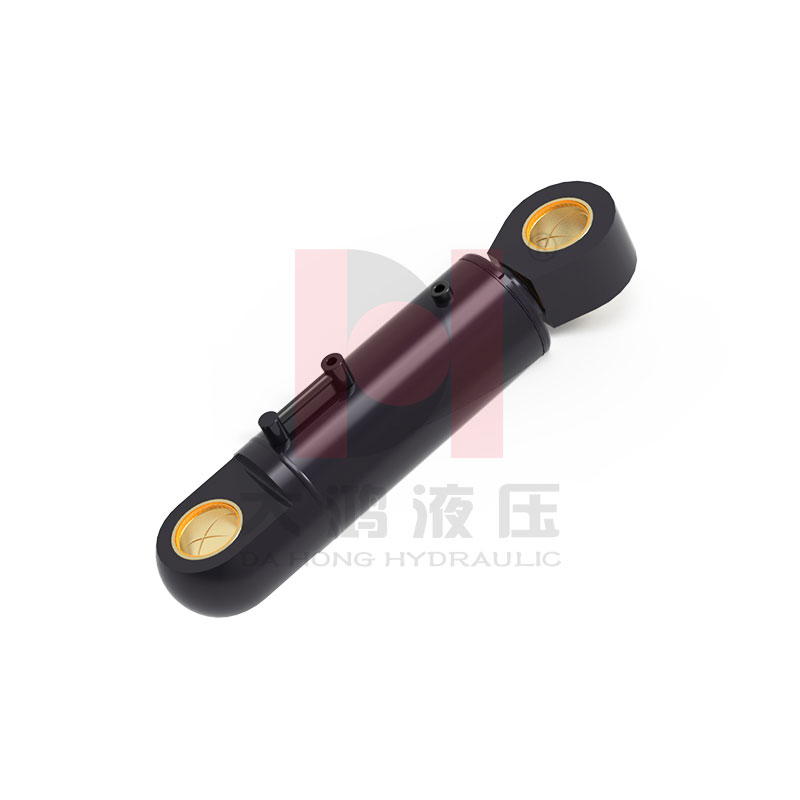
Single-acting hydraulic cylinder
One hydraulic port on the cylinder body
No hydraulic port on the other end of the cylinder
May have a spring or other mechanism to retract the piston rod
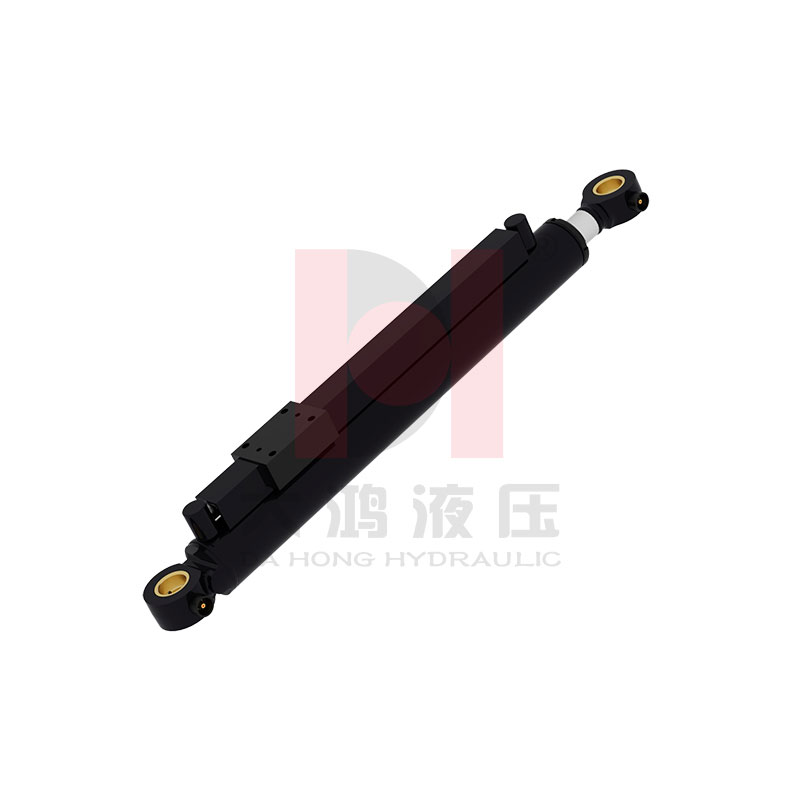
Double-acting hydraulic cylinder:
Two hydraulic ports, located on either end of the cylinder body
No external spring or mechanism to retract the piston rod Hoses or tubes connected to either end of the cylinder
Other factors to consider when identifying a hydraulic cylinder include
Mounting style (e.g., clevis, trunnion, or eye-of-the-needle mount)
Cylinder body construction (e.g., tie rod, welded, or threaded)
Additional features such as cushioning or position sensing
Key measurements for specifying a cylinder
Bore
This is the inside diameter of the cylinder barrel. It determines the force output of the cylinder. Standard bores are typically 1.5 to 5 inches in 0.5-inch increments, but can be larger.
If the cylinder has been disassembled, measure the bore directly.
If assembled, measure the outer cylinder diameter and subtract the wall thickness to estimate the bore size.
Rod Diameter
This is the outside diameter of the rod going in and out of the cylinder. A larger rod will increase strength but will reduce the effective force area on the rod side. Measure the rod diameter with a caliper. Common rod sizes are 0.5 to 2.5 inches, depending on the bore size.
Conclusion
Identifying a hydraulic cylinder is critical for maintenance and replacement. Always check the part number (usually stamped or engraved on the cylinder) and measure the size if necessary.
RELATED NEWS
2026-03-31
Why Is Predictive Maintenance Gaining Traction for Hydraulic Systems?
Predictive maintenance is rapidly gaining traction in the management of hydraulic systems due to its ability to reduce unplanned downtime, extend equipment life, and optimize operational efficiency. Hydraulic systems, which rely on pressuri···
2026-03-31
How to Improve the Efficiency of a Hydraulic System?
Improving the efficiency of a hydraulic system is essential for reducing energy consumption, lowering operational costs, and extending the lifespan of equipment. Hydraulic systems are widely used in industries like manufacturing, constructi···
2026-03-24
Why Is Heat Resistance Critical in Metallurgical Electric Furnace Hydraulic Cylinders?
Heat resistance is a critical property for hydraulic cylinders used in metallurgical electric furnaces. These cylinders are key components in controlling furnace doors, tilting mechanisms, and other heavy operations, often operating in envi···
2026-03-24
How Does a Metallurgical Electric Furnace Hydraulic Cylinder Handle High Heat?
In metallurgical processes, electric furnaces operate at extremely high temperatures, often exceeding 1,500°C. Hydraulic cylinders used in these furnaces play a critical role in controlling doors, tilting mechanisms, or other moving parts,···
2026-03-17
How Do Hydraulic Cylinders Improve Safety in Railway Equipment Operations?
Hydraulic cylinders play a crucial role in enhancing safety in railway equipment operations. These devices convert hydraulic energy into linear mechanical force, enabling precise and reliable movement of heavy railway machinery, such as tra···
2026-03-17
How to Maintain Hydraulic Cylinders for Railway Equipment?
Hydraulic cylinders are critical components in railway equipment, enabling smooth movement and heavy lifting in applications such as track maintenance machines, train doors, and suspension systems. Proper maintenance ensures safety, extends···

GET YOUR FREE QUOTE
We will contact you within 24 hours. ( WhatsApp/facebook:13665121168)