Welcome to WUXI DAHONG HYDRAULIC PNEUMENT CO.,LTD
WhatsApp: 13665121168 Email: shaominjiao@wxdahong.com


What controls the speed of a cylinder?
Release Time :
2025-02-11
Cylinder speed refers to how fast the piston in the cylinder moves from one position to another. This speed is determined by several factors, including air pressure, cylinder bore size, load, and the rate at which air flows through the control valve. Speed can vary greatly based on these variables, affecting how quickly the cylinder can perform an action.
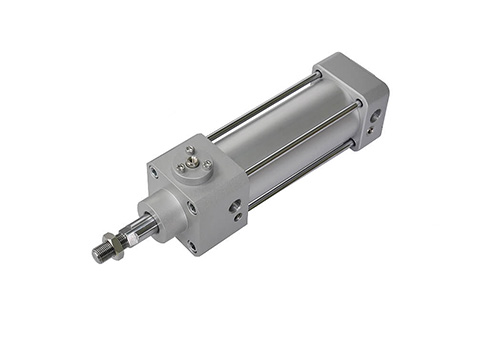
The performance of a cylinder is directly affected by its speed. A well-regulated speed ensures smoother, more controlled motion, which reduces mechanical stress and energy consumption. If a cylinder moves too fast, it can cause imprecise movements or damage equipment. On the other hand, if a cylinder moves too slowly, it can hinder productivity and system efficiency. Proper speed management is essential to achieving optimal cylinder performance in a pneumatic system.
Flow Control
A flow control valve is a needle valve with a built-in check valve. A needle valve restricts flow in both directions. However, a flow control valve allows free flow in one direction while restricting flow in the other.
You can connect a flow control valve to a cylinder port in two ways. You can restrict the amount of flow out of the cylinder (metered outflow) or you can restrict the amount of flow into the cylinder (metered inflow). The reasons for using one or the other vary.
When the cylinder piston extends, the air behind it is compressed because the air cannot escape easily. When you tighten the flow control screw, the piston's movement slows because the air is further restricted.
Push-On Male Connector with Flow Control
Threads onto the cylinder's air inlet (top, bottom, or both). Simply turn the needle valve to adjust the air speed and tighten the small locknut to lock it in place
Other Factors
Temperature: Extreme temperatures can affect cylinder performance. High temperatures cause seals to degrade faster and increase internal friction, while low temperatures can cause sluggish movement due to thickening of the lubricant.
Lubrication: Proper lubrication reduces friction between moving parts, ensuring smoother operation. Inadequate lubrication increases wear and reduces cylinder speed over time.
Humidity: Excessive moisture in the system can cause rust or corrosion inside the cylinder. Humidity also affects air quality, reducing the efficiency of compressed air and directly affecting cylinder speed.
Contaminants: Dust, dirt, and other particles can enter the pneumatic system and clog valves or damage seals. This increases internal friction and reduces cylinder speed and efficiency.
Seal Quality: Worn or poor quality seals can cause air leaks, which can reduce pressure within the cylinder. This leak can result in slower speeds and reduced force output.
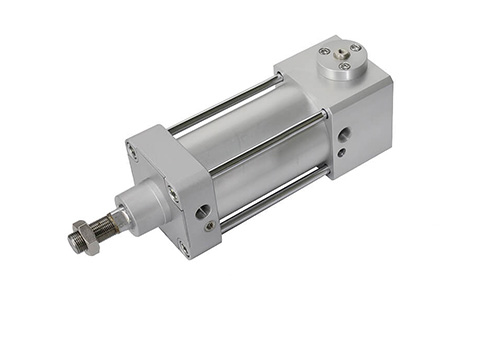
Internal Friction: High internal friction from faulty parts or poor alignment can cause slower cylinder motion and excessive component wear. Regular maintenance is necessary to minimize internal friction and maintain optimal speeds.
RELATED NEWS
2026-03-31
Why Is Predictive Maintenance Gaining Traction for Hydraulic Systems?
Predictive maintenance is rapidly gaining traction in the management of hydraulic systems due to its ability to reduce unplanned downtime, extend equipment life, and optimize operational efficiency. Hydraulic systems, which rely on pressuri···
2026-03-31
How to Improve the Efficiency of a Hydraulic System?
Improving the efficiency of a hydraulic system is essential for reducing energy consumption, lowering operational costs, and extending the lifespan of equipment. Hydraulic systems are widely used in industries like manufacturing, constructi···
2026-03-24
Why Is Heat Resistance Critical in Metallurgical Electric Furnace Hydraulic Cylinders?
Heat resistance is a critical property for hydraulic cylinders used in metallurgical electric furnaces. These cylinders are key components in controlling furnace doors, tilting mechanisms, and other heavy operations, often operating in envi···
2026-03-24
How Does a Metallurgical Electric Furnace Hydraulic Cylinder Handle High Heat?
In metallurgical processes, electric furnaces operate at extremely high temperatures, often exceeding 1,500°C. Hydraulic cylinders used in these furnaces play a critical role in controlling doors, tilting mechanisms, or other moving parts,···
2026-03-17
How Do Hydraulic Cylinders Improve Safety in Railway Equipment Operations?
Hydraulic cylinders play a crucial role in enhancing safety in railway equipment operations. These devices convert hydraulic energy into linear mechanical force, enabling precise and reliable movement of heavy railway machinery, such as tra···
2026-03-17
How to Maintain Hydraulic Cylinders for Railway Equipment?
Hydraulic cylinders are critical components in railway equipment, enabling smooth movement and heavy lifting in applications such as track maintenance machines, train doors, and suspension systems. Proper maintenance ensures safety, extends···

GET YOUR FREE QUOTE
We will contact you within 24 hours. ( WhatsApp/facebook:13665121168)