Welcome to WUXI DAHONG HYDRAULIC PNEUMENT CO.,LTD
WhatsApp: 13665121168 Email: shaominjiao@wxdahong.com


What is the difference between a hydraulic cylinder and a pneumatic cylinder?
Release Time :
2025-02-11
Powerful hydraulic systems are the core function of many heavy-duty diesel engine equipment. From excavator arms to front loaders, many equipment need to exert tremendous forces while maintaining the highest possible control and safety.
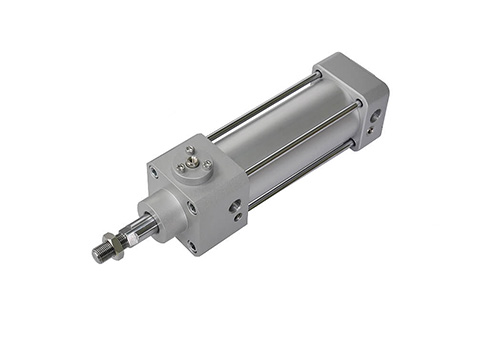
Pneumatic systems can perform the same basic functions, but there are several key differences. For those who work with multiple equipment types, the line between hydraulic and pneumatic cylinders can become blurred. When considering the two and understanding what is required to properly maintain the system
Pneumatic and hydraulic systems have many similarities. Pneumatics and hydraulics are both applications of fluid power. They both use pumps as actuators, are controlled by valves, and use fluids to transmit mechanical energy. The biggest difference between the two systems is the media used and the application. Pneumatics uses easily compressible gases such as air or other suitable pure gases, while hydraulics uses relatively incompressible liquid media such as hydraulic oil or mineral oil, glycol, water, or high-temperature fire-resistant fluids. Neither of these two systems is more popular than the other because their applications are specialized. This article will help you make the better choice for your application by describing the two systems and their applications, advantages, and disadvantages. The load or force you need to apply, the output speed, and the energy cost determine the type of system you need for your application.
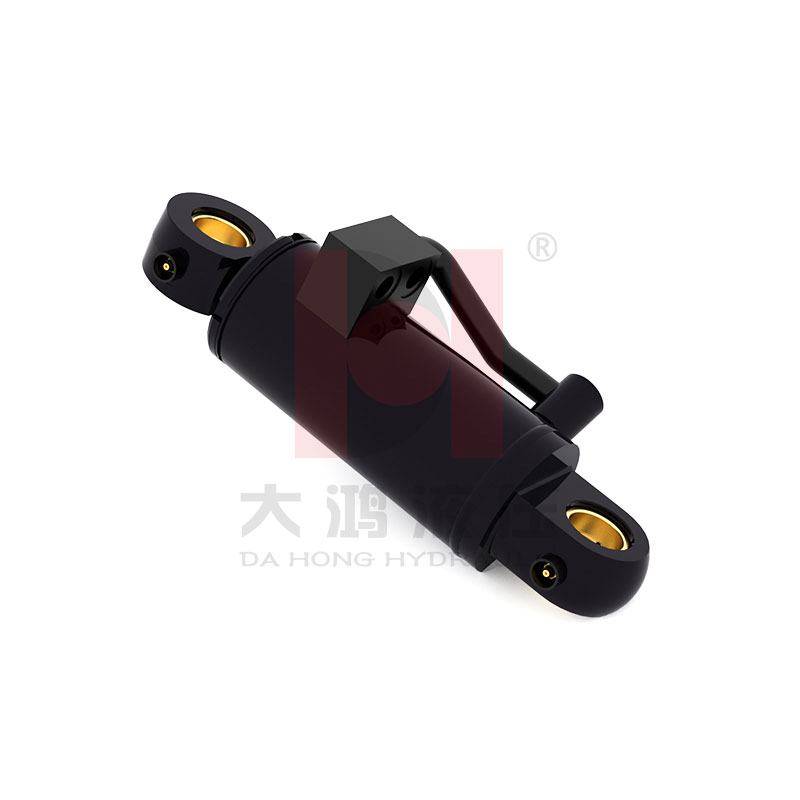
What is Pneumatics?
Pneumatics is a branch of engineering that uses pressurized gas or air to affect mechanical motion based on the working principles of fluid dynamics and pressure. The field of pneumatics has grown from small handheld devices to large machines with different functions. Pneumatic systems are usually powered by compressed air or inert gas. The system consists of a set of interconnected components, including gas compressors, transition lines, gas tanks, hoses, standard cylinders, and gas (atmospheric air). Compressed air is supplied by the compressor and transmitted through a series of hoses. The air flow is regulated by manual or automatic solenoid valves, and the cylinders convert the energy provided by the compressed gas into mechanical energy. A centrally located electric compressor powers the cylinders, air motors, and other pneumatic equipment. Pneumatic systems are controlled by simple on/off switches or valves.
Most industrial pneumatic applications use pressures of about 80 to 100 pounds per square inch (550 to 690 kPa). The compressed air is stored in a receiving tank before being delivered for use. The compressor's ability to compress the gas is limited by the compression ratio.
RELATED NEWS
2026-03-31
Why Is Predictive Maintenance Gaining Traction for Hydraulic Systems?
Predictive maintenance is rapidly gaining traction in the management of hydraulic systems due to its ability to reduce unplanned downtime, extend equipment life, and optimize operational efficiency. Hydraulic systems, which rely on pressuri···
2026-03-31
How to Improve the Efficiency of a Hydraulic System?
Improving the efficiency of a hydraulic system is essential for reducing energy consumption, lowering operational costs, and extending the lifespan of equipment. Hydraulic systems are widely used in industries like manufacturing, constructi···
2026-03-24
Why Is Heat Resistance Critical in Metallurgical Electric Furnace Hydraulic Cylinders?
Heat resistance is a critical property for hydraulic cylinders used in metallurgical electric furnaces. These cylinders are key components in controlling furnace doors, tilting mechanisms, and other heavy operations, often operating in envi···
2026-03-24
How Does a Metallurgical Electric Furnace Hydraulic Cylinder Handle High Heat?
In metallurgical processes, electric furnaces operate at extremely high temperatures, often exceeding 1,500°C. Hydraulic cylinders used in these furnaces play a critical role in controlling doors, tilting mechanisms, or other moving parts,···
2026-03-17
How Do Hydraulic Cylinders Improve Safety in Railway Equipment Operations?
Hydraulic cylinders play a crucial role in enhancing safety in railway equipment operations. These devices convert hydraulic energy into linear mechanical force, enabling precise and reliable movement of heavy railway machinery, such as tra···
2026-03-17
How to Maintain Hydraulic Cylinders for Railway Equipment?
Hydraulic cylinders are critical components in railway equipment, enabling smooth movement and heavy lifting in applications such as track maintenance machines, train doors, and suspension systems. Proper maintenance ensures safety, extends···

GET YOUR FREE QUOTE
We will contact you within 24 hours. ( WhatsApp/facebook:13665121168)