Welcome to WUXI DAHONG HYDRAULIC PNEUMENT CO.,LTD
WhatsApp: 13665121168 Email: shaominjiao@wxdahong.com


What is the function of hydraulic lock?
Release Time :
2025-02-12
A hydraulic lock, also called a water lock or hydrostatic lock, is when fluid enters the cylinder of a hydraulic system and restricts its compression. Since most fluids do not compress effectively, excess fluid in the cylinder can cause the engine to stall or mechanically damage components in the system if the operator forces the system to operate.
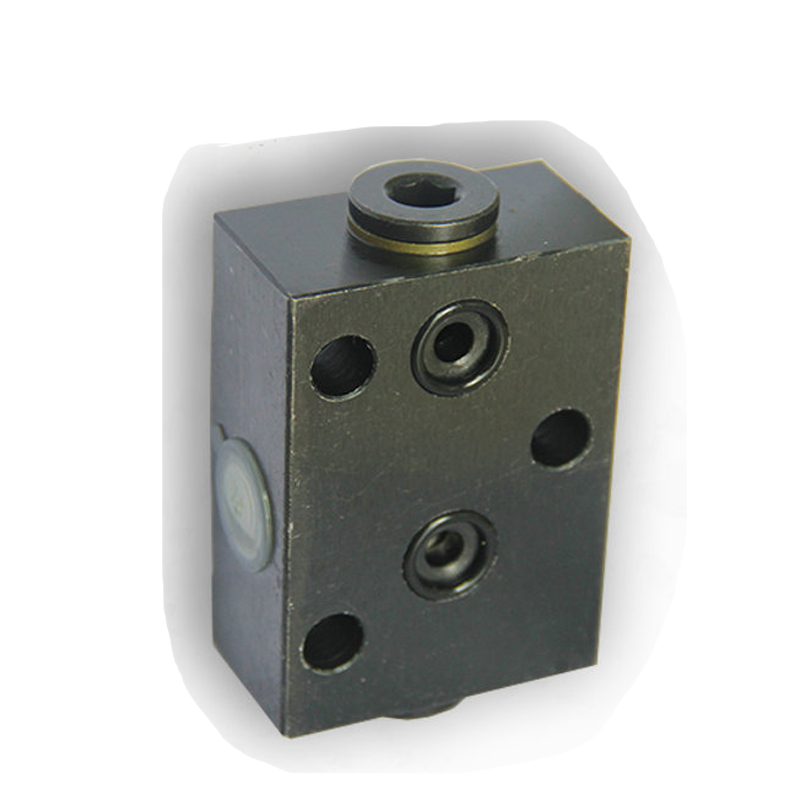
Water flow gates operated by hydraulic cylinders are essential to prevent flooding and control the flow of water to electric turbines so that the turbines can operate without damage. When power is turned off or lost, the hydraulic lock can hold the gate in any position by stopping at any point in the actuator's travel. When power is restored, it can move in either direction - with the gate open or closed. This ensures safety and prevents property damage.
Hydraulic locks can cause a range of damage, depending on the speed at which the engine is running, the amount of water, and the size and power of the engine. When water enters the cylinders, the reaction force can be greater than the engine components are designed to withstand. This excessive force can bend or break connecting rods, break cranks, cylinder heads and blocks, and damage crankcases or bearings.
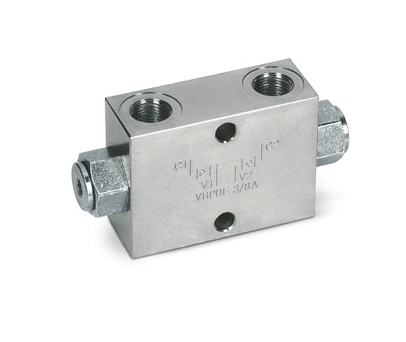
If the engine is running at high speed, catastrophic engine damage, such as holes in the cylinder head or oil pan, may occur, requiring engine replacement. If the engine is running at idle or low power, the engine may stop suddenly without damage. However, you may need to clean the engine to flush out the contaminated operating fluid and replace the gaskets.
RELATED NEWS
2026-03-31
Why Is Predictive Maintenance Gaining Traction for Hydraulic Systems?
Predictive maintenance is rapidly gaining traction in the management of hydraulic systems due to its ability to reduce unplanned downtime, extend equipment life, and optimize operational efficiency. Hydraulic systems, which rely on pressuri···
2026-03-31
How to Improve the Efficiency of a Hydraulic System?
Improving the efficiency of a hydraulic system is essential for reducing energy consumption, lowering operational costs, and extending the lifespan of equipment. Hydraulic systems are widely used in industries like manufacturing, constructi···
2026-03-24
Why Is Heat Resistance Critical in Metallurgical Electric Furnace Hydraulic Cylinders?
Heat resistance is a critical property for hydraulic cylinders used in metallurgical electric furnaces. These cylinders are key components in controlling furnace doors, tilting mechanisms, and other heavy operations, often operating in envi···
2026-03-24
How Does a Metallurgical Electric Furnace Hydraulic Cylinder Handle High Heat?
In metallurgical processes, electric furnaces operate at extremely high temperatures, often exceeding 1,500°C. Hydraulic cylinders used in these furnaces play a critical role in controlling doors, tilting mechanisms, or other moving parts,···
2026-03-17
How Do Hydraulic Cylinders Improve Safety in Railway Equipment Operations?
Hydraulic cylinders play a crucial role in enhancing safety in railway equipment operations. These devices convert hydraulic energy into linear mechanical force, enabling precise and reliable movement of heavy railway machinery, such as tra···
2026-03-17
How to Maintain Hydraulic Cylinders for Railway Equipment?
Hydraulic cylinders are critical components in railway equipment, enabling smooth movement and heavy lifting in applications such as track maintenance machines, train doors, and suspension systems. Proper maintenance ensures safety, extends···

GET YOUR FREE QUOTE
We will contact you within 24 hours. ( WhatsApp/facebook:13665121168)