Welcome to WUXI DAHONG HYDRAULIC PNEUMENT CO.,LTD
WhatsApp: 13665121168 Email: shaominjiao@wxdahong.com


Which type of pump is most commonly used?
Release Time :
2025-02-11
There are many different types of industrial pumps, each designed for a specific use and fluid characteristics. Common types include centrifugal, positive displacement, diaphragm, and submersible pumps.
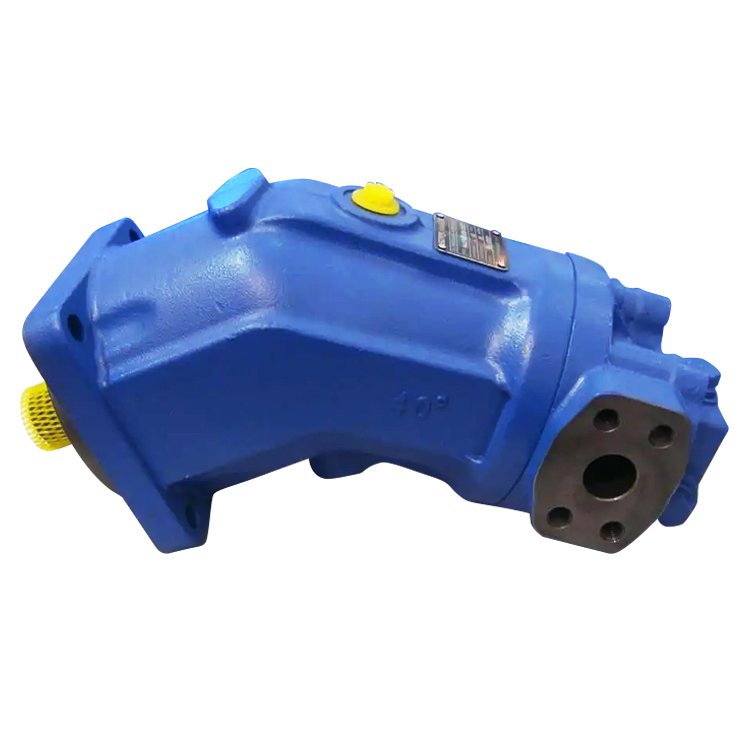
Centrifugal Pumps
How it works: Centrifugal pumps use an impeller to transfer kinetic energy to a fluid, which is converted to pressure energy as the fluid leaves the pump.
Common Industry Uses:
Water Supply
Wastewater Treatment
Oil and Gas
Chemical Processing
Types of Fluids Pumped:
Water
Oil
Chemicals
Positive Displacement Pumps
How it works: These pumps move fluids by capturing a fixed amount of fluid and forcing (displacing) it into a discharge pipe.
Common Industry Uses:
Food Processing
Pharmaceutical Manufacturing
Hydraulic Systems
Types of Fluids Pumped:
Viscous Liquids
Slurries
Diaphragm Pumps
How it works: Diaphragm pumps use a diaphragm to move fluids. The diaphragm is pushed and pulled, creating a vacuum that draws in the fluid and then pushes it out.
Common Industry Uses:
Chemical Transfer
Pharmaceutical Manufacturing
Food and Beverage
Types of Fluids Pumped:
Chemicals
Acids
Foods
Gear Pumps
How it works: Gear pumps use gear meshing to pump fluids through displacement.
Functions of Industrial Pumps
Transporting Fluids: The primary function of an industrial pump is to move fluids between locations or processes.
Increasing Fluid Pressure: Pumps are used to increase the pressure of a fluid to move it through a piping system or process equipment.
Circulating Fluids: Pumps are used to circulate fluids in many systems, such as in cooling and heating systems.
Application Areas
Water Treatment: Pumps are used to move water in and out of treatment plants, as well as at various stages of a treatment process.
Chemical Industry: Pumps handle a variety of chemicals, often at high pressure or temperature, or with corrosive or hazardous properties.
Oil and Gas: Pumps are vital in the extraction, transportation, and processing of oil and gas.
Food and Beverage: Pumps are used to handle a variety of liquid ingredients, often with stringent hygiene standards.
Pharmaceuticals: Precision pumps are used to process and manufacture pharmaceuticals.
Agriculture: Pumps are used for irrigation, spraying pesticides, and fertilizing.
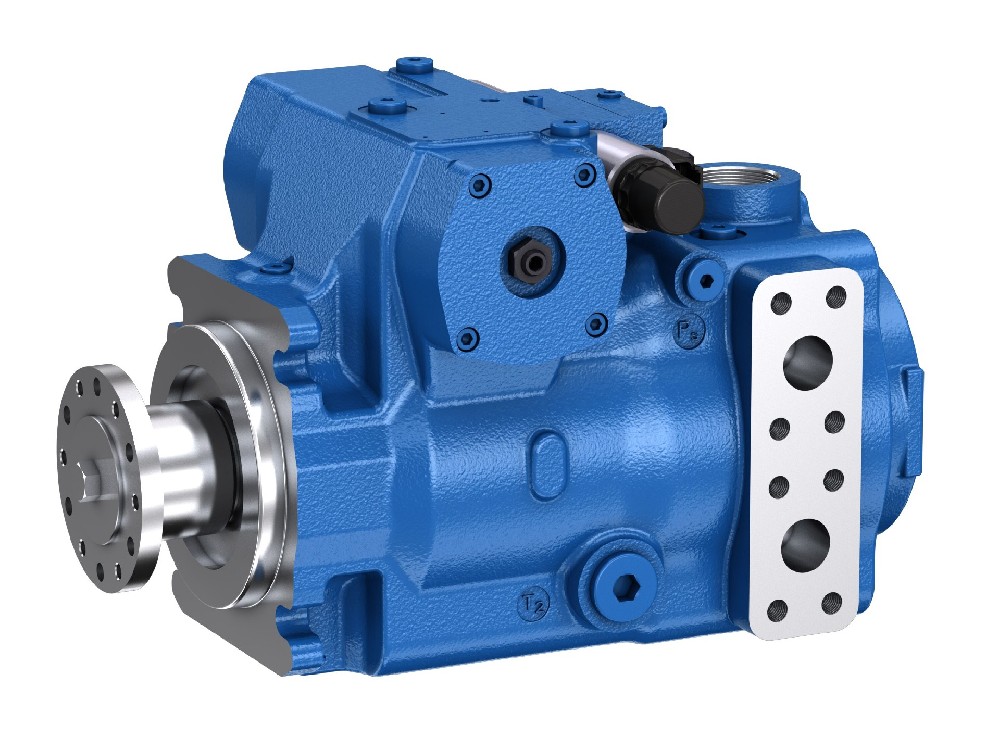
Main Features
Capacity and Power: Pumps vary greatly in size and power, depending on the volume and type of fluid they need to handle.
Construction Materials: Pumps are made of materials that are compatible with the fluids they handle, such as stainless steel for corrosive fluids.
Energy efficiency: Modern pumps are designed with a focus on energy efficiency as they are used in a wide range of industries.
RELATED NEWS
2026-03-31
Why Is Predictive Maintenance Gaining Traction for Hydraulic Systems?
Predictive maintenance is rapidly gaining traction in the management of hydraulic systems due to its ability to reduce unplanned downtime, extend equipment life, and optimize operational efficiency. Hydraulic systems, which rely on pressuri···
2026-03-31
How to Improve the Efficiency of a Hydraulic System?
Improving the efficiency of a hydraulic system is essential for reducing energy consumption, lowering operational costs, and extending the lifespan of equipment. Hydraulic systems are widely used in industries like manufacturing, constructi···
2026-03-24
Why Is Heat Resistance Critical in Metallurgical Electric Furnace Hydraulic Cylinders?
Heat resistance is a critical property for hydraulic cylinders used in metallurgical electric furnaces. These cylinders are key components in controlling furnace doors, tilting mechanisms, and other heavy operations, often operating in envi···
2026-03-24
How Does a Metallurgical Electric Furnace Hydraulic Cylinder Handle High Heat?
In metallurgical processes, electric furnaces operate at extremely high temperatures, often exceeding 1,500°C. Hydraulic cylinders used in these furnaces play a critical role in controlling doors, tilting mechanisms, or other moving parts,···
2026-03-17
How Do Hydraulic Cylinders Improve Safety in Railway Equipment Operations?
Hydraulic cylinders play a crucial role in enhancing safety in railway equipment operations. These devices convert hydraulic energy into linear mechanical force, enabling precise and reliable movement of heavy railway machinery, such as tra···
2026-03-17
How to Maintain Hydraulic Cylinders for Railway Equipment?
Hydraulic cylinders are critical components in railway equipment, enabling smooth movement and heavy lifting in applications such as track maintenance machines, train doors, and suspension systems. Proper maintenance ensures safety, extends···

GET YOUR FREE QUOTE
We will contact you within 24 hours. ( WhatsApp/facebook:13665121168)