Welcome to WUXI DAHONG HYDRAULIC PNEUMENT CO.,LTD
WhatsApp: 13665121168 Email: shaominjiao@wxdahong.com


How to Maintain a Clean Hydraulic System for Moving Boxes?
Release Time :
2026-02-10
Hydraulic systems are widely used in box-moving equipment such as lift tables, stackers, conveyors, and automated handling lines. Stable pressure output and smooth actuator movement depend heavily on oil cleanliness and proper system maintenance. If contamination enters the circuit, it can accelerate component wear, reduce efficiency, and lead to unplanned downtime.
This article explains how to maintain a clean hydraulic system for moving boxes through structured inspection, filtration, and preventive maintenance practices.
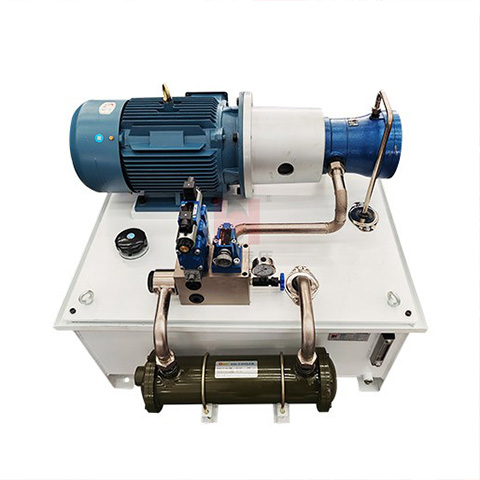
1. Control Hydraulic Oil Contamination at the Source
Contamination typically enters a hydraulic circuit in three forms: solid particles, water, and air. During box handling operations, dust from packaging materials, pallets, and warehouse floors can enter the reservoir if sealing is inadequate.
To reduce contamination:
Use sealed reservoir caps with proper breathers
Store hydraulic oil in closed, labeled containers
Clean refill ports before adding oil
Avoid mixing different oil grades
When replacing or topping up hydraulic oil, always filter it before introduction into the system. Even new oil may contain particles that exceed acceptable cleanliness standards.
2. Maintain Effective Filtration
Filtration is the primary defense against wear in pumps, valves, and cylinders. For box-moving equipment, stable flow and pressure are essential for safe and accurate lifting.
Key maintenance steps include:
Check return-line and pressure-line filters regularly
Replace filter elements according to service hours or differential pressure indicators
Verify that the filter rating (micron level) matches system design requirements
A clogged filter can cause pressure drop and cavitation, affecting actuator performance and shortening pump lifespan.
3. Inspect Seals, Hoses, and Connections
Leaks allow both oil loss and external contamination to enter the circuit. In warehouse environments, fine dust and packaging debris are common.
During routine inspection:
Check hose fittings for looseness
Inspect cylinder rod seals for wear
Replace damaged O-rings promptly
Ensure proper torque on threaded connections
A small leak, if ignored, can gradually compromise system cleanliness and operational stability.
4. Monitor Oil Condition
Oil condition reflects overall hydraulic health. For systems that operate continuously in logistics or production lines, periodic oil analysis is recommended.
Monitor:
Viscosity changes
Particle count levels
Moisture content
Oxidation indicators
If oil appears cloudy, dark, or contains visible particles, investigate immediately. Timely oil replacement prevents damage to precision components.
5. Keep the Working Environment Organized
Although hydraulic systems are sealed, external cleanliness still matters. Dust accumulation around actuators and valve blocks increases the risk of contamination during maintenance.
Best practices include:
Cleaning equipment surfaces before servicing
Keeping maintenance tools free of debris
Covering open hydraulic ports during repair
A structured housekeeping routine supports long-term hydraulic reliability.
6. Establish a Preventive Maintenance Schedule
A documented maintenance plan reduces reactive repairs and extends component life. The schedule should include:
Daily visual inspections
Weekly leak checks
Monthly filter inspections
Periodic oil sampling
Recording service data helps identify recurring issues and supports better lifecycle management.
Conclusion
Maintaining a clean hydraulic system for moving boxes requires consistent filtration, contamination control, leak prevention, and oil monitoring. By implementing structured inspection routines and proper handling procedures, operators can ensure stable lifting performance, reduce component wear, and maintain reliable material handling operations over time.
RELATED NEWS
2026-03-31
Why Is Predictive Maintenance Gaining Traction for Hydraulic Systems?
Predictive maintenance is rapidly gaining traction in the management of hydraulic systems due to its ability to reduce unplanned downtime, extend equipment life, and optimize operational efficiency. Hydraulic systems, which rely on pressuri···
2026-03-31
How to Improve the Efficiency of a Hydraulic System?
Improving the efficiency of a hydraulic system is essential for reducing energy consumption, lowering operational costs, and extending the lifespan of equipment. Hydraulic systems are widely used in industries like manufacturing, constructi···
2026-03-24
Why Is Heat Resistance Critical in Metallurgical Electric Furnace Hydraulic Cylinders?
Heat resistance is a critical property for hydraulic cylinders used in metallurgical electric furnaces. These cylinders are key components in controlling furnace doors, tilting mechanisms, and other heavy operations, often operating in envi···
2026-03-24
How Does a Metallurgical Electric Furnace Hydraulic Cylinder Handle High Heat?
In metallurgical processes, electric furnaces operate at extremely high temperatures, often exceeding 1,500°C. Hydraulic cylinders used in these furnaces play a critical role in controlling doors, tilting mechanisms, or other moving parts,···
2026-03-17
How Do Hydraulic Cylinders Improve Safety in Railway Equipment Operations?
Hydraulic cylinders play a crucial role in enhancing safety in railway equipment operations. These devices convert hydraulic energy into linear mechanical force, enabling precise and reliable movement of heavy railway machinery, such as tra···
2026-03-17
How to Maintain Hydraulic Cylinders for Railway Equipment?
Hydraulic cylinders are critical components in railway equipment, enabling smooth movement and heavy lifting in applications such as track maintenance machines, train doors, and suspension systems. Proper maintenance ensures safety, extends···

GET YOUR FREE QUOTE
We will contact you within 24 hours. ( WhatsApp/facebook:13665121168)