Welcome to WUXI DAHONG HYDRAULIC PNEUMENT CO.,LTD
WhatsApp: 13665121168 Email: shaominjiao@wxdahong.com


How Are Hydraulic Systems Adapted for Different Applications?
Release Time :
2025-12-11
Hydraulic systems are widely used across industries because they offer high power density, precise control, and reliable performance under heavy loads. However, not all hydraulic systems are the same. A hydraulic system designed for construction equipment will be very different from one used in aerospace, manufacturing, or medical devices. To meet the demands of different working environments, hydraulic systems are carefully adapted in terms of design, components, control methods, and safety standards.
In simple terms, hydraulics are flexible by nature—but only if they are engineered correctly for the job.
Understanding the Core of Hydraulic Systems
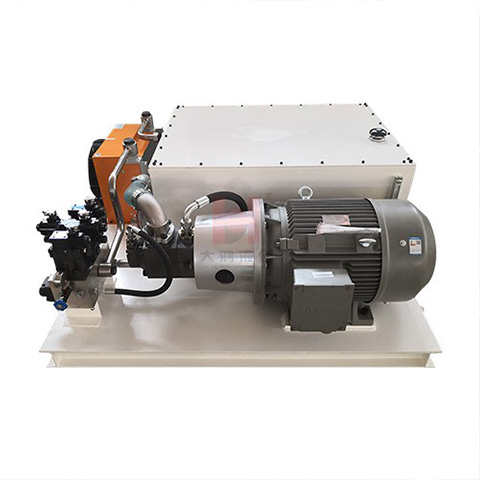
At their core, hydraulic systems transmit power through pressurized fluid, usually hydraulic oil. The basic components include pumps, valves, actuators (cylinders or motors), reservoirs, and control units. While these elements are common across most systems, how they are selected and configured depends heavily on the application.
This is where adaptation comes into play.
Adaptation by Industry Application
1. Construction and Heavy Machinery
Hydraulic systems in construction equipment such as excavators, loaders, and cranes are designed for high power output and durability. These systems must handle extreme loads, dust, vibration, and long operating hours.
Key adaptations include:
High-pressure pumps and reinforced hoses
Large hydraulic cylinders for lifting and digging
Simple, rugged control valves for reliability
Easy maintenance design, because downtime costs money
In plain words, these systems are built tough. They are not pretty, but they get the job done.
2. Industrial Manufacturing and Automation
In factories, hydraulic systems are often used for presses, injection molding machines, and automated production lines. Here, precision and repeatability matter more than brute force.
Typical adaptations include:
Proportional or servo valves for accurate motion control
Integrated sensors for pressure, position, and flow
Compact system layouts to fit into production equipment
Energy-saving designs to reduce operating costs
These systems are smarter and more controlled, even if they don’t look as powerful as construction hydraulics.
3. Aerospace Applications
Aerospace hydraulic systems operate under strict safety, weight, and reliability requirements. They are commonly used in flight control systems, landing gear, and braking systems.
Key design adaptations include:
Lightweight materials such as titanium or aluminum alloys
Redundant system architecture for safety
High-quality seals to perform under extreme temperatures
Strict compliance with aviation standards
In this field, there is no room for shortcuts. Every component must be tested and certified.
4. Mobile and Agricultural Equipment
Agricultural machines and mobile equipment need hydraulic systems that are flexible and easy to operate, often by non-technical users.
Adaptations often include:
Modular valve blocks for multiple functions
Load-sensing systems to improve fuel efficiency
Simple joystick or lever-based controls
Robust designs that tolerate dirt and moisture
These systems are designed to be practical. Farmers don’t want complexity—they want reliability.
5. Medical and Specialized Equipment
In medical devices such as patient lifts or surgical equipment, hydraulics are used for smooth, quiet, and controlled motion.
Special adaptations include:
Low-noise pumps
Precise micro-hydraulic control
Clean, leak-resistant designs
Compliance with medical safety regulations
Here, comfort and safety are just as important as performance.
Control Systems and Technology Adaptation
Modern hydraulic systems are increasingly combined with electronic controls. Depending on the application, systems may use:
Manual control for simplicity
Electro-hydraulic control for precision
Fully integrated PLC or computer-based control systems
This hybrid approach allows hydraulics to remain powerful while becoming more intelligent.
Environmental and Safety Considerations
Different applications also require different approaches to environmental impact and safety:
Biodegradable hydraulic fluids for environmentally sensitive areas
Explosion-proof components in hazardous environments
Pressure relief and fail-safe systems for operator protection
These adaptations are not optional—they are required by regulations and real-world risks.
Conclusion
Hydraulic systems are not one-size-fits-all solutions. Their true strength lies in their adaptability. By adjusting system design, component selection, control methods, and safety features, hydraulic technology can meet the needs of vastly different applications—from heavy construction to delicate medical equipment.
In short, hydraulics work everywhere because engineers make them fit the job, not the other way around.
RELATED NEWS
2026-03-31
Why Is Predictive Maintenance Gaining Traction for Hydraulic Systems?
Predictive maintenance is rapidly gaining traction in the management of hydraulic systems due to its ability to reduce unplanned downtime, extend equipment life, and optimize operational efficiency. Hydraulic systems, which rely on pressuri···
2026-03-31
How to Improve the Efficiency of a Hydraulic System?
Improving the efficiency of a hydraulic system is essential for reducing energy consumption, lowering operational costs, and extending the lifespan of equipment. Hydraulic systems are widely used in industries like manufacturing, constructi···
2026-03-24
Why Is Heat Resistance Critical in Metallurgical Electric Furnace Hydraulic Cylinders?
Heat resistance is a critical property for hydraulic cylinders used in metallurgical electric furnaces. These cylinders are key components in controlling furnace doors, tilting mechanisms, and other heavy operations, often operating in envi···
2026-03-24
How Does a Metallurgical Electric Furnace Hydraulic Cylinder Handle High Heat?
In metallurgical processes, electric furnaces operate at extremely high temperatures, often exceeding 1,500°C. Hydraulic cylinders used in these furnaces play a critical role in controlling doors, tilting mechanisms, or other moving parts,···
2026-03-17
How Do Hydraulic Cylinders Improve Safety in Railway Equipment Operations?
Hydraulic cylinders play a crucial role in enhancing safety in railway equipment operations. These devices convert hydraulic energy into linear mechanical force, enabling precise and reliable movement of heavy railway machinery, such as tra···
2026-03-17
How to Maintain Hydraulic Cylinders for Railway Equipment?
Hydraulic cylinders are critical components in railway equipment, enabling smooth movement and heavy lifting in applications such as track maintenance machines, train doors, and suspension systems. Proper maintenance ensures safety, extends···

GET YOUR FREE QUOTE
We will contact you within 24 hours. ( WhatsApp/facebook:13665121168)