Welcome to WUXI DAHONG HYDRAULIC PNEUMENT CO.,LTD
WhatsApp: 13665121168 Email: shaominjiao@wxdahong.com


What Defines Our Standard Welded High-Pressure Hydraulic Cylinders?
Release Time :
2025-12-18
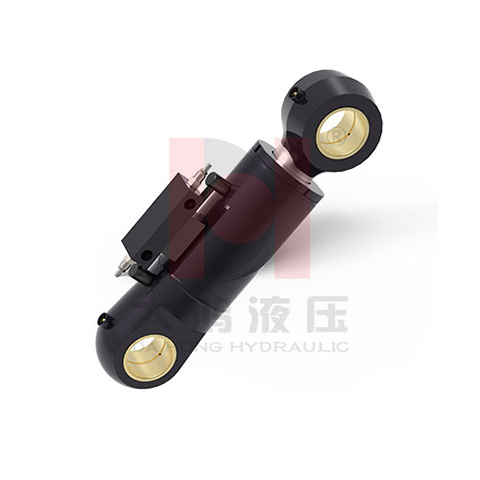
Standard welded high-pressure hydraulic cylinders are widely used in industrial and mobile hydraulic systems due to their compact structure, strength, and reliable performance. Defining what makes these cylinders “standard” and “high-pressure” requires looking at their design, materials, manufacturing processes, and intended applications rather than marketing language.
In simple terms, these cylinders are built to work hard, fit tight spaces, and keep performing under pressure.
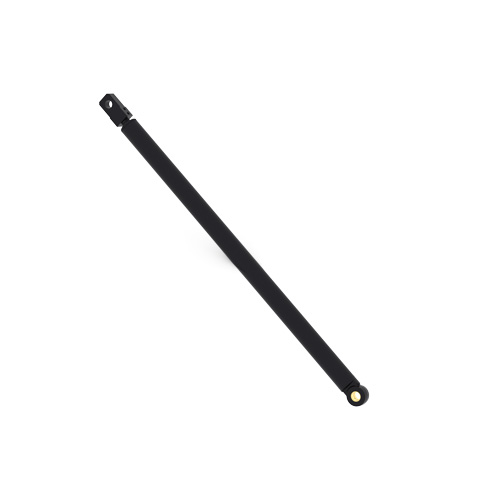
Welded Cylinder Design: A Structural Advantage
Welded hydraulic cylinders differ from tie-rod cylinders mainly in how the barrel, head, and base are connected. In welded designs, these components are permanently welded together, creating a compact and rigid structure.
This design offers several advantages:
Higher resistance to external forces and vibration
Reduced overall size compared to tie-rod cylinders
Better suitability for mobile and heavy-duty equipment
Because there are no external tie rods, welded cylinders are easier to integrate into machines where space is limited.
High-Pressure Capability and Performance
High-pressure hydraulic cylinders are typically designed to operate at pressures significantly above standard industrial levels. Achieving this safely depends on careful engineering rather than simply increasing wall thickness.
Key defining factors include:
Optimized barrel thickness and material selection
Precision-machined piston and rod assemblies
Reliable sealing systems designed for high pressure
The goal is consistent performance under load, not just peak pressure ratings on paper.
Material Selection and Manufacturing Quality
Material choice plays a major role in defining cylinder reliability. Standard welded high-pressure hydraulic cylinders usually use:
High-strength steel for cylinder barrels
Induction-hardened or chrome-plated piston rods
Wear-resistant seals compatible with hydraulic fluids
Equally important is the manufacturing process. Controlled welding procedures, proper heat treatment, and dimensional inspection help ensure that each cylinder performs as designed. This is not flashy technology, but it is what keeps failures away.
Sealing Systems and Leak Prevention
At high pressures, sealing performance becomes critical. A well-defined welded hydraulic cylinder uses sealing systems that balance tightness with low friction.
Common features include:
Multi-stage piston seals
Heavy-duty rod seals and wipers
Proper groove design to prevent seal extrusion
In everyday terms, good seals mean less leakage, smoother motion, and longer service life.
Standardization and Interchangeability
The term “standard” does not mean basic or low-quality. It refers to cylinders designed according to commonly accepted dimensions, mounting styles, and performance ranges.
Standardization provides:
Easier replacement and maintenance
Compatibility with existing hydraulic systems
Reduced lead time compared to fully custom designs
This makes standard welded cylinders a practical choice for many applications without sacrificing performance.
Typical Applications
Standard welded high-pressure hydraulic cylinders are commonly used in:
Construction and earth-moving equipment
Agricultural machinery
Material handling systems
Industrial presses and lifting devices
These environments demand reliability and strength rather than unnecessary complexity.
Safety and Compliance Considerations
A well-defined hydraulic cylinder design also accounts for safety. Pressure testing, weld inspection, and compliance with relevant industry standards are essential parts of the process.
Safety is not an extra feature—it is part of the design from the beginning.
Conclusion
What defines standard welded high-pressure hydraulic cylinders is not bold claims, but solid engineering. Their welded structure, pressure-rated design, material quality, reliable sealing, and standardized dimensions make them suitable for demanding hydraulic applications.
Simply put, these cylinders are designed to do their job consistently, without drama, in environments where failure is not an option.
RELATED NEWS
2026-03-31
Why Is Predictive Maintenance Gaining Traction for Hydraulic Systems?
Predictive maintenance is rapidly gaining traction in the management of hydraulic systems due to its ability to reduce unplanned downtime, extend equipment life, and optimize operational efficiency. Hydraulic systems, which rely on pressuri···
2026-03-31
How to Improve the Efficiency of a Hydraulic System?
Improving the efficiency of a hydraulic system is essential for reducing energy consumption, lowering operational costs, and extending the lifespan of equipment. Hydraulic systems are widely used in industries like manufacturing, constructi···
2026-03-24
Why Is Heat Resistance Critical in Metallurgical Electric Furnace Hydraulic Cylinders?
Heat resistance is a critical property for hydraulic cylinders used in metallurgical electric furnaces. These cylinders are key components in controlling furnace doors, tilting mechanisms, and other heavy operations, often operating in envi···
2026-03-24
How Does a Metallurgical Electric Furnace Hydraulic Cylinder Handle High Heat?
In metallurgical processes, electric furnaces operate at extremely high temperatures, often exceeding 1,500°C. Hydraulic cylinders used in these furnaces play a critical role in controlling doors, tilting mechanisms, or other moving parts,···
2026-03-17
How Do Hydraulic Cylinders Improve Safety in Railway Equipment Operations?
Hydraulic cylinders play a crucial role in enhancing safety in railway equipment operations. These devices convert hydraulic energy into linear mechanical force, enabling precise and reliable movement of heavy railway machinery, such as tra···
2026-03-17
How to Maintain Hydraulic Cylinders for Railway Equipment?
Hydraulic cylinders are critical components in railway equipment, enabling smooth movement and heavy lifting in applications such as track maintenance machines, train doors, and suspension systems. Proper maintenance ensures safety, extends···

GET YOUR FREE QUOTE
We will contact you within 24 hours. ( WhatsApp/facebook:13665121168)