Welcome to WUXI DAHONG HYDRAULIC PNEUMENT CO.,LTD
WhatsApp: 13665121168 Email: shaominjiao@wxdahong.com


What is the life expectancy of a hydraulic cylinder?
Release Time :
2025-02-28
Typical Life Expectancy of a Hydraulic Cylinder
The life expectancy of a hydraulic cylinder can vary widely depending on its design, application, and operating environment. On average, a well-maintained hydraulic cylinder can last anywhere from 10,000 to 20,000 hours of operation. However, in demanding applications with harsh conditions, such as heavy construction or mining, the lifespan may be shorter. Conversely, cylinders used in lighter-duty applications with proper care can exceed 20,000 hours. Understanding the factors that influence this lifespan is key to maximizing the cylinder's service life.
Factors Affecting the Life Expectancy of a Hydraulic Cylinder
Several factors determine how long a hydraulic cylinder will last. These include:
1.Quality of Materials and Construction:
High-quality materials, such as hardened steel for the barrel and rod, and durable seals, significantly extend the life of a hydraulic cylinder. Poor-quality components are more prone to wear and failure.
2.Operating Conditions:
Harsh environments, such as extreme temperatures, high humidity, or exposure to corrosive substances, can accelerate wear and reduce the cylinder's lifespan.
3.Load and Pressure:
Operating a hydraulic cylinder beyond its rated load or pressure limits can cause excessive stress on components, leading to premature failure.
4.Maintenance Practices:
Regular maintenance, including inspecting seals, replacing worn parts, and keeping the hydraulic fluid clean, is essential for prolonging the cylinder's life.
5.Contamination:
Dirt, debris, or water in the hydraulic fluid can damage seals, scratch the barrel, and cause internal wear, shortening the cylinder's lifespan.
6.Frequency of Use:
Hydraulic cylinders used continuously or in high-cycle applications may wear out faster than those used intermittently.
7.Proper Installation and Alignment:
Misalignment or improper installation can cause uneven wear on the rod, seals, and barrel, leading to premature failure.
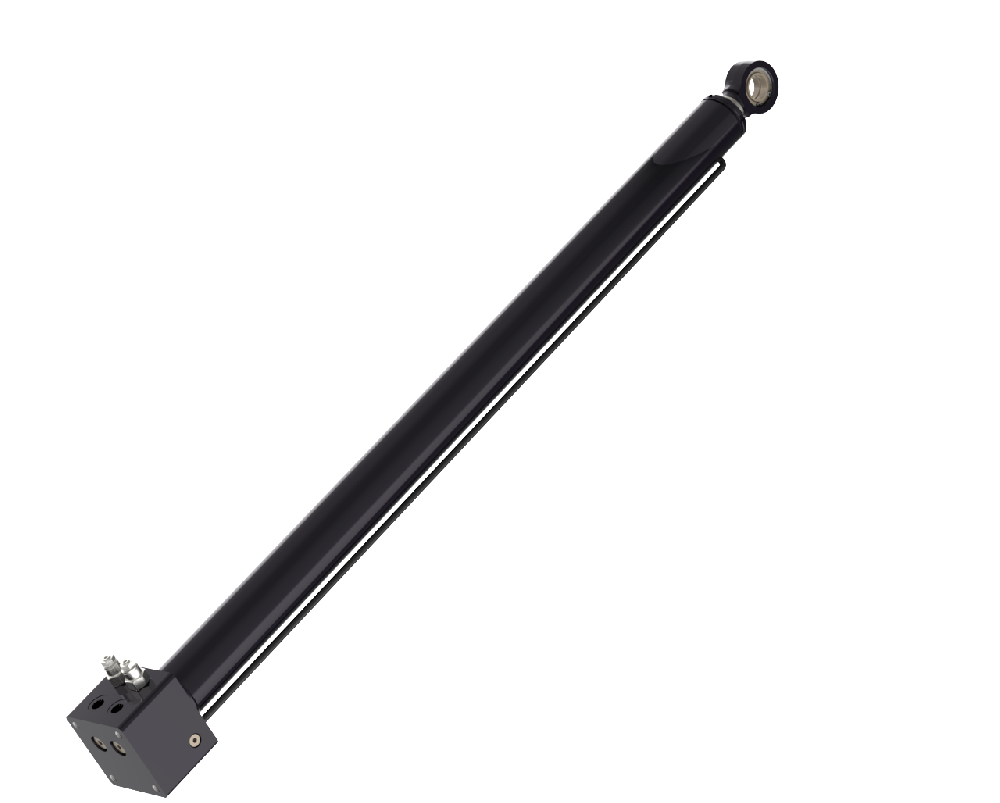
How to Extend the Life Expectancy of a Hydraulic Cylinder
While the life expectancy of a hydraulic cylinder is influenced by several factors, there are steps you can take to maximize its longevity:
1.Choose High-Quality Cylinders:
Invest in hydraulic cylinders made from durable materials and designed for your specific application.
2.Follow Manufacturer Guidelines:
Operate the cylinder within its specified load, pressure, and temperature limits to avoid excessive stress.
3.Implement Regular Maintenance:
Schedule routine inspections to check for wear, leaks, or damage. Replace seals and other components as needed.
4.Keep the System Clean:
Use proper filtration systems to prevent contaminants from entering the hydraulic fluid.
5.Monitor Operating Conditions:
Avoid exposing the cylinder to extreme temperatures, corrosive environments, or excessive vibration.
6.Ensure Proper Installation:
Align the cylinder correctly during installation to prevent uneven wear and stress on components.
7.Train Operators:
Educate operators on proper usage and early signs of potential issues to prevent avoidable damage.
Signs That a Hydraulic Cylinder Needs Replacement
Even with proper care, hydraulic cylinders will eventually wear out. Here are some signs that it may be time to replace a hydraulic cylinder:
1.Persistent Leaks: Frequent seal leaks that cannot be resolved through maintenance.
2.Reduced Performance: Inability to generate the required force or slower operation.
3.Visible Damage: Bent rods, pitted barrels, or cracked components.
4.Excessive Noise: Unusual sounds during operation, indicating internal wear or damage.
5.Drifting Loads: Inability to hold a load in place, suggesting internal leakage or seal failure.
Conclusion
The life expectancy of a hydraulic cylinder depends on a combination of factors, including material quality, operating conditions, maintenance practices, and proper usage. While the average lifespan ranges from 10,000 to 20,000 hours, proactive measures such as regular maintenance, contamination control, and adherence to operating guidelines can significantly extend its service life. By understanding the factors that influence longevity and taking steps to address them, operators can ensure their hydraulic cylinders deliver reliable performance over the long term. As hydraulic cylinders continue to play a vital role in industrial applications, maximizing their lifespan will remain a key focus for maintaining efficiency, reducing costs, and achieving operational success. With proper care and attention, hydraulic cylinders can provide years of dependable service, driving productivity and innovation across industries.
RELATED NEWS
2026-03-31
Why Is Predictive Maintenance Gaining Traction for Hydraulic Systems?
Predictive maintenance is rapidly gaining traction in the management of hydraulic systems due to its ability to reduce unplanned downtime, extend equipment life, and optimize operational efficiency. Hydraulic systems, which rely on pressuri···
2026-03-31
How to Improve the Efficiency of a Hydraulic System?
Improving the efficiency of a hydraulic system is essential for reducing energy consumption, lowering operational costs, and extending the lifespan of equipment. Hydraulic systems are widely used in industries like manufacturing, constructi···
2026-03-24
Why Is Heat Resistance Critical in Metallurgical Electric Furnace Hydraulic Cylinders?
Heat resistance is a critical property for hydraulic cylinders used in metallurgical electric furnaces. These cylinders are key components in controlling furnace doors, tilting mechanisms, and other heavy operations, often operating in envi···
2026-03-24
How Does a Metallurgical Electric Furnace Hydraulic Cylinder Handle High Heat?
In metallurgical processes, electric furnaces operate at extremely high temperatures, often exceeding 1,500°C. Hydraulic cylinders used in these furnaces play a critical role in controlling doors, tilting mechanisms, or other moving parts,···
2026-03-17
How Do Hydraulic Cylinders Improve Safety in Railway Equipment Operations?
Hydraulic cylinders play a crucial role in enhancing safety in railway equipment operations. These devices convert hydraulic energy into linear mechanical force, enabling precise and reliable movement of heavy railway machinery, such as tra···
2026-03-17
How to Maintain Hydraulic Cylinders for Railway Equipment?
Hydraulic cylinders are critical components in railway equipment, enabling smooth movement and heavy lifting in applications such as track maintenance machines, train doors, and suspension systems. Proper maintenance ensures safety, extends···

GET YOUR FREE QUOTE
We will contact you within 24 hours. ( WhatsApp/facebook:13665121168)